
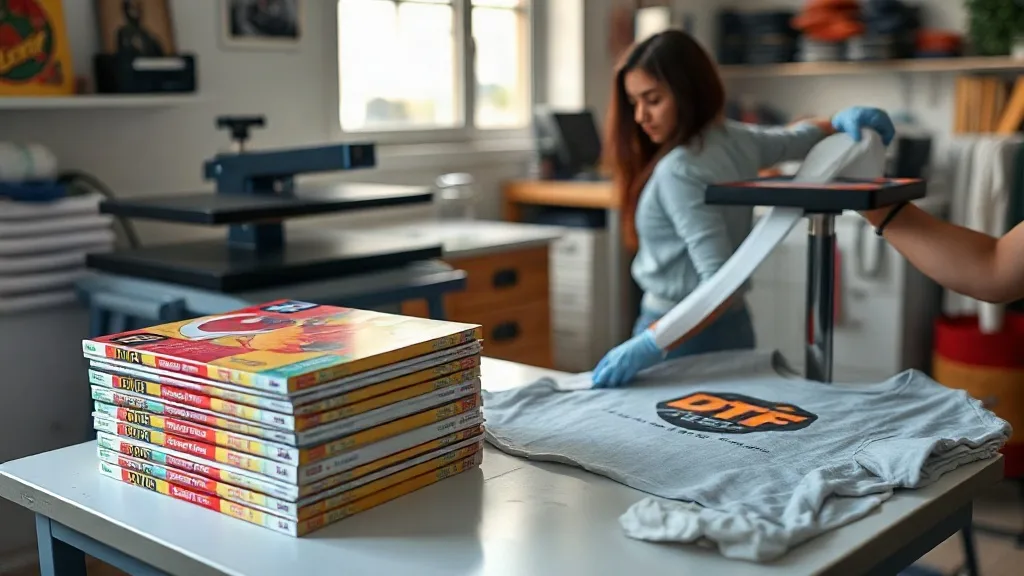
DTF transfers have revolutionized the way small print shops and hobbyists approach custom apparel. Unlike traditional methods that require specialized equipment or limited fabric choices, DTF (Direct to Film) printing offers incredible versatility and vibrant results on almost any material. Whether you're just starting out or looking to refine your process, understanding the nuances of DTF can significantly impact the quality of your finished products. In this guide, we'll walk you through the essential steps and insider tips to help you achieve professional-grade dtf transfers every time.
What Are DTF Transfers and Why They Matter
DTF transfers are printed designs on a special film that are then coated with a hot-melt adhesive powder. When heat-pressed onto fabric, the design bonds permanently, creating a soft, stretchable, and durable print. This method stands out because it works on cotton, polyester, blends, and even difficult fabrics like nylon and canvas. For small businesses, DTF opens up a world of possibilities without the need for expensive screen setups or pre-treatment. It's a game-changer for on-demand printing and short runs.
The DTF Printing Process Simplified
The process involves printing your design onto a PET film using specialized dtf inks, applying adhesive powder while the ink is still wet, and then curing the powder with heat. Once cured, the transfer is ready to be pressed onto a garment. The key is to ensure proper curing and pressing parameters to avoid common issues like cracking or poor adhesion.
Choosing the Right DTF Supplies
Not all DTF supplies are created equal. The quality of your film, ink, and powder directly affects the final output. Here's what to look for:
- Film: Opt for a high-quality PET film that can withstand multiple passes through the printer without warping. Thicker films (75-100 microns) are generally more durable and easier to handle.
- Ink: Use DTF-specific pigment inks that are vibrant and opaque. Cheap inks may clog printheads or produce dull colors.
- Powder: Choose a fine-grain adhesive powder (typically 80-200 microns) that melts evenly and creates a strong bond. Coarse powders can leave a gritty texture.
Investing in reputable supplies from the start saves you from costly trial and error. Many professionals source their materials from specialized dtf transfers near me suppliers to ensure consistency.
Film Types: Hot Peel vs. Cold Peel
Hot peel films allow you to remove the carrier sheet immediately after pressing while the transfer is still hot. This speeds up production but requires precise timing to avoid uneven transfer. Cold peel films, on the other hand, require you to wait until the transfer cools completely before peeling, resulting in a smoother, more matte finish. Your choice depends on your workflow and desired effect.
Step-by-Step Application Guide
Applying DTF transfers correctly is crucial for a professional look. Follow these steps for best results:
- Preheat the garment: This removes moisture and wrinkles, ensuring a smooth surface. Press for 5-10 seconds at 320°F (160°C).
- Position the transfer: Place the transfer on the garment with the printed side down. Use heat-resistant tape if needed to secure it.
- Press: Apply medium pressure for 10-15 seconds at 320°F (160°C). Always use a Teflon sheet or parchment paper to protect the press and transfer.
- Peel: For hot peel, remove the film immediately in a smooth, steady motion. For cold peel, wait until the transfer is completely cool before peeling.
- Post-press: For added durability, press again for 5 seconds with a Teflon sheet after peeling.
These parameters are a starting point; you may need to adjust based on your press and materials.
Temperature, Pressure, and Time: Finding Your Sweet Spot
Every heat press behaves differently. It's essential to calibrate your press using a temperature gun and pressure gauge. Too much pressure can cause the ink to spread, while too little results in poor adhesion. Time is equally critical: under-pressing leads to wash-out, over-pressing can scorch the fabric. Always test on a scrap piece before production runs.
Troubleshooting Common DTF Issues
Even experienced printers encounter problems. Here's how to fix the most common ones:
- Cracking after washing: Usually caused by under-curing the powder or insufficient pressure during pressing. Increase curing time or pressure.
- Patchy transfer: May be due to uneven pressure or a worn press platen. Check your press for flatness and adjust pressure.
- Powder not melting: Ensure the powder is fresh and stored in a dry environment. Old powder absorbs moisture and performs poorly.
- Film curling: High humidity can cause film to curl. Store film in a sealed bag with desiccant.
Keeping a log of your settings and issues helps you quickly diagnose and resolve problems.
Advanced Tips for Professional Results
Once you've mastered the basics, these tips can elevate your DTF game:
- Layer transfers for multi-color designs: You can press multiple transfers on top of each other for complex artwork, but ensure each layer is properly cured.
- Use a cover sheet for textured fabrics: Fabrics like mesh or canvas may require a cover sheet to prevent the transfer from sinking into the texture.
- Experiment with specialty powders: Glow-in-the-dark or metallic powders can add unique effects to your prints.
For those looking to expand their offerings, exploring dtf transfers from reliable sources ensures consistent quality and customer satisfaction.
Maximizing Wash Durability
To ensure your prints withstand repeated washing, always follow the post-press step and advise customers to wash garments inside out in cold water. Avoid harsh detergents and tumble drying on high heat. Proper care extends the life of the transfer significantly.
Frequently Asked Questions
Can I use DTF transfers on dark-colored fabrics?
Yes, DTF transfers work excellently on dark fabrics because the white ink layer provides a bright base for the colors. Just ensure your printer uses enough white ink for opacity.
How long do DTF transfers last?
With proper application and care, DTF transfers can last 50+ washes without fading or cracking. Using high-quality supplies and following correct pressing parameters is key.
Do I need a special printer for DTF?
You can convert an existing inkjet printer to DTF using DTF inks and film, but dedicated DTF printers are available for higher volume and reliability. For beginners, a converted printer is a cost-effective start.
What's the difference between DTF and DTG?
DTF transfers are printed on film and then pressed onto fabric, while DTG (Direct to Garment) prints directly onto the fabric. DTF is more versatile with fabrics and often more cost-effective for small runs.
Can I stretch DTF-printed garments?
Yes, DTF transfers are stretchable and move with the fabric, making them suitable for athletic wear and stretchy materials. However, excessive stretching may cause cracking over time.
By following this comprehensive guide, you'll be well-equipped to produce stunning DTF transfers that impress customers and stand the test of time. Remember, practice and attention to detail are your best tools for success.