
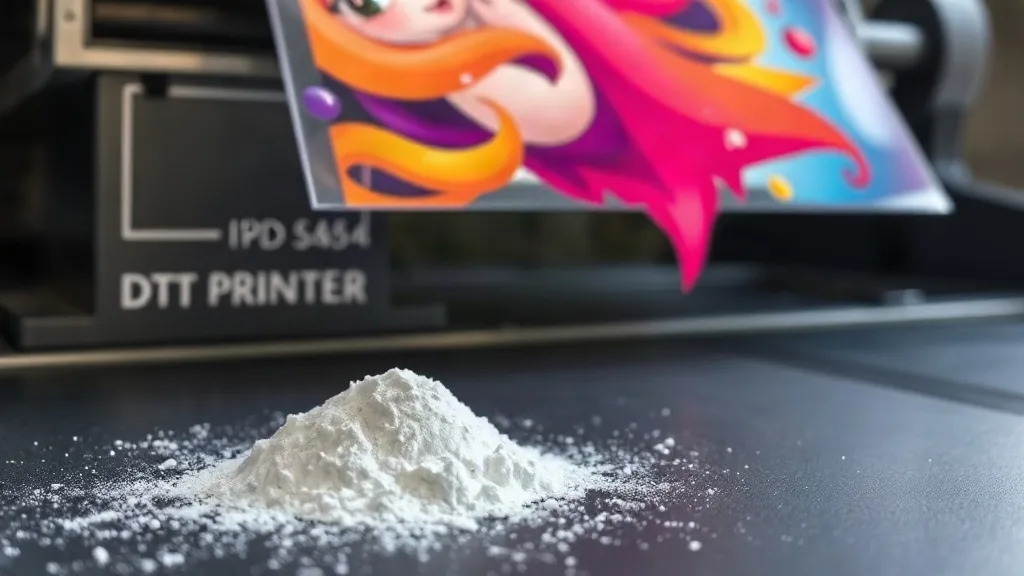
When you first start with dtf transfers, it's tempting to focus solely on the heat press settings or the garment choice. But the real magic happens long before the press closes. The synergy between ink, film, and powder is what separates a print that survives fifty washes from one that cracks after five. In this guide, we'll break down each component, explain how they interact, and share practical tips to help you achieve consistent, professional results.
The Three Pillars of DTF Printing
Direct-to-film (DTF) printing relies on a delicate balance of three materials: the ink that carries the color, the film that holds the ink, and the powder that bonds the ink to the fabric. Each plays a distinct role, and a weakness in any one area can undermine the entire print. Let's examine them one by one.
Ink: The Color Carrier
DTF inks are typically pigment-based, formulated to remain fluid enough for printheads yet vibrant enough to pop on fabric. Unlike dye-sublimation inks, DTF inks sit on top of the film rather than penetrating it. This means the ink layer must be thick enough to transfer fully but not so thick that it feels rubbery. Quality inks also include adhesion promoters that help the powder stick.
One common mistake is using third-party inks that haven't been optimized for DTF. While they may save a few pennies per milliliter, they often lead to clogged printheads, inconsistent color, and poor powder adhesion. Stick with inks designed specifically for dtf printing, and store them according to the manufacturer's recommendations to avoid settling or viscosity changes.
Film: The Transfer Vehicle
DTF film is more than a carrier; it's engineered to release the ink cleanly when heated. The film consists of a base layer (usually PET) and a release coating. When you print, the ink adheres to the release coating. After powdering and curing, the film is placed on the garment, and heat causes the release coating to let go, transferring the ink and powder to the fabric.
Film quality affects both print resolution and peel ease. Cheaper films may have uneven release coatings, leading to partial transfers or torn prints. They may also warp under the heat of the printer, causing misregistration. Always check that your film is compatible with your printer's ink type and that it's stored flat in a cool, dry place.
Powder: The Bonding Agent
The powder, often referred to as hot-melt adhesive, is what makes DTF prints stretchable and durable. After printing, you apply powder to the wet ink layer. The powder granules stick to the ink, and then you cure the film to melt the powder into a continuous adhesive film. During heat pressing, this adhesive re-melts and bonds to the fabric fibers.
Powder particle size matters: too coarse, and you'll feel a gritty texture; too fine, and you might not get enough adhesion. Most suppliers offer a range of powders, from standard to fine. For detailed prints or lightweight fabrics, a finer powder often works better. Also, be mindful of humidity: powder absorbs moisture, which can cause clumping and uneven application. Store it in an airtight container with a desiccant pack.
How Ink, Film, and Powder Work Together
The interaction between these three elements is a chain reaction. The ink must be receptive to the powder; the film must release the ink cleanly; the powder must bond to both the ink and the fabric. If any link fails, the print fails. For example, if the ink is too thin, the powder won't have enough surface area to adhere, resulting in a patchy transfer. If the film's release coating is too aggressive, the ink may detach prematurely, leaving gaps on the garment.
Temperature and timing also play critical roles. During curing, the powder must reach its melting point without scorching the film. During pressing, the adhesive must flow into the fabric but not so much that it strikes through to the back. Finding the sweet spot requires testing and documentation. Keep a log of settings for each combination of ink, film, and powder you use.
Practical Tips for Consistent Results
- Start with quality supplies: Invest in reputable brands for ink, film, and powder. The savings from cheap supplies are often offset by wasted time and materials.
- Control your environment: Humidity and temperature affect ink viscosity, powder flow, and film handling. Aim for a stable workspace with 40-60% relative humidity.
- Test each new batch: Even with the same brand, slight variations can occur. Print a test pattern and perform a wash test before committing to a large order.
- Maintain your printer: Regular cleaning and printhead maintenance prevent clogs and ensure consistent ink laydown.
- Use the right powder for the job: Match powder type to fabric and design. Fine powder for detailed work, standard for bold graphics.
Troubleshooting Common Issues
Even with the best supplies, problems can arise. Here's how to diagnose and fix some common issues related to the ink-film-powder triad.
Print Peels Off After Washing
If your print peels, the adhesive didn't bond properly. This could be due to insufficient powder application, under-curing, or pressing at too low a temperature. Check that the powder is evenly coated and that curing and pressing temperatures are within the recommended range. Also, ensure the fabric is clean and free of fabric softeners, which can inhibit adhesion.
Patchy or Incomplete Transfers
Patchiness often indicates a film release issue or uneven powder. Try a different film brand or adjust your powder application technique. If the powder is clumping, dry it out or replace it. Also, check that the ink is not drying too much before powdering; work quickly after printing.
Stiff or Rubbery Feel
A stiff print usually means too much ink or powder. Reduce ink laydown by adjusting your printer settings, or switch to a finer powder. Also, ensure you're not over-curing the powder, which can make it brittle.
Choosing the Right Supplies for Your Shop
With so many options on the market, selecting the right ink, film, and powder can feel overwhelming. Start by identifying your primary use cases: are you printing on cotton, polyester, blends, or all three? Do you need high stretch for activewear? Are you producing detailed graphics or bold blocks of color? Answering these questions will narrow your choices.
It's also worth considering your printer type. Some DTF printers are designed to work best with specific ink sets. Consult your printer manufacturer's recommendations. And don't be afraid to request samples from suppliers; many offer small quantities for testing. A little upfront experimentation can save you from costly mistakes later.
If you're looking for a reliable source of dtf transfers near me, do your research. Read reviews, ask for samples, and compare not just price but also consistency and customer service. A good supplier can be a valuable partner in your business.
Frequently Asked Questions
Can I use any type of powder for DTF printing?
No, DTF powder is specifically formulated to melt and bond with DTF ink and fabric. Using other adhesive powders may result in poor adhesion, clogged filters, or inconsistent results. Always use powder labeled for DTF use.
How long should I cure the powder?
Curing time depends on your powder and oven or heat source. Typically, curing is done at around 160-180°C for 2-3 minutes, but follow the powder manufacturer's instructions. Over-curing can make the print brittle, while under-curing leads to poor wash durability.
Why does my film wrinkle during printing?
Wrinkling can be caused by improper film storage, excessive heat from the printer's platen, or a film that's too thin for your printer's feed mechanism. Store film flat and away from heat sources, and ensure it's compatible with your printer.
Can I mix brands of ink, film, and powder?
While it's possible, mixing brands can lead to unpredictable results because each component is engineered to work with specific counterparts. For best results, stick with a single brand's ecosystem or thoroughly test combinations before committing to production.
How do I store DTF powder to prevent clumping?
Keep powder in an airtight container with a desiccant packet. Store in a cool, dry place away from direct sunlight. If clumps form, you can sift the powder or gently break up clumps before use, but avoid using powder that has absorbed significant moisture.