
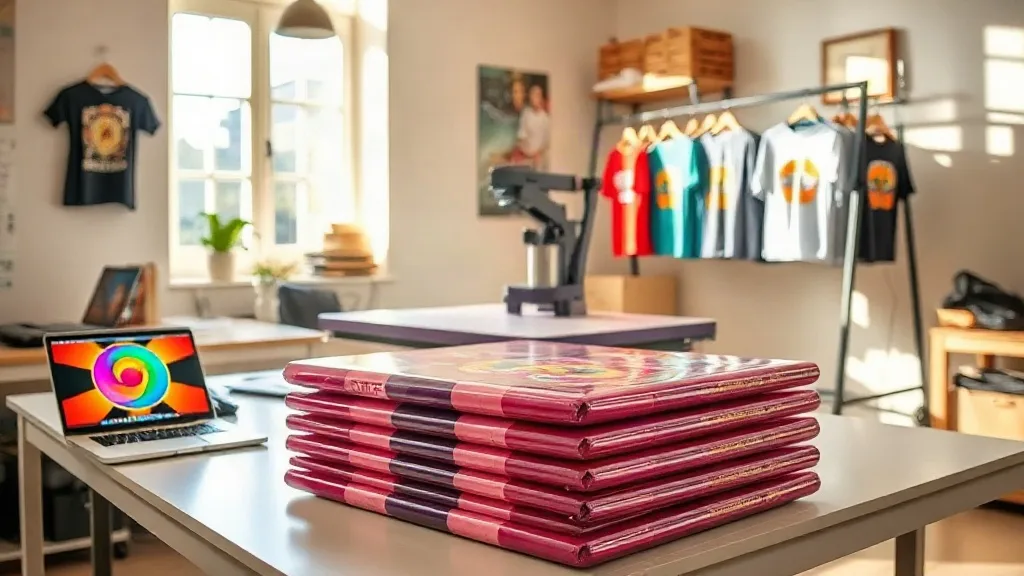
If you've been exploring custom apparel printing, you've likely encountered dtf transfers. This innovative method is transforming how creators and businesses approach fabric printing, offering vibrant colors and exceptional durability without the complexity of traditional techniques. Whether you're a hobbyist or a seasoned professional, understanding DTF transfers can open up a world of possibilities for your projects.
What Are DTF Transfers?
DTF stands for Direct-to-Film, a printing technology where designs are printed onto a special film and then transferred to fabric using heat and pressure. Unlike DTG (Direct-to-Garment) printing, which requires specialized printers for each garment, DTF transfers are printed on film and can be applied to a wide range of materials, including cotton, polyester, blends, and even non-traditional fabrics like canvas and denim. The process involves printing a design onto a PET film with a release agent, applying a powdered adhesive (often called hot melt powder), and then curing the film. When you're ready to apply, you simply place the film on the fabric and press with a heat press.
Why Choose DTF Transfers?
DTF transfers have gained popularity for several compelling reasons. First, they offer incredible versatility: you can print on almost any fabric, including dark colors and synthetics, without needing pre-treatment. Second, the prints are highly durable, withstanding multiple washes without fading or cracking. Third, DTF transfers are cost-effective for small batches and one-off designs, as there's no minimum order quantity and no need for screens or plates. Additionally, the color vibrancy is outstanding, thanks to the white ink layer that makes designs pop on dark garments.
How to Choose the Right DTF Supplies
Quality supplies are crucial for successful DTF printing. Here's what to look for:
- Film: Use high-quality PET film designed specifically for DTF. It should have a consistent coating for reliable ink adhesion and easy peeling.
- Ink: Invest in DTF inks that are compatible with your printer. Pigment-based inks are standard, but ensure they're formulated for DTF to prevent clogging and ensure vibrant colors.
- Powder: Hot melt adhesive powder is essential for bonding the design to fabric. Choose a fine, consistent powder that melts evenly.
- Heat Press: A reliable heat press with accurate temperature and pressure control is key. You'll need temperatures around 160-170°C (320-340°F) for application.
Step-by-Step DTF Transfer Application
Applying a DTF transfer is straightforward if you follow these steps:
- Preheat the fabric: Remove moisture and wrinkles by pressing the garment for a few seconds.
- Place the transfer: Position the film on the fabric with the design facing up.
- Press: Apply heat and pressure according to the film manufacturer's instructions (typically 15-20 seconds at 160°C).
- Peel: Wait for the film to cool completely before peeling it off. This ensures the design adheres properly.
- Post-press: For added durability, you can press the design again with a protective sheet for a few seconds.
Common DTF Problems and How to Fix Them
Even with the best supplies, issues can arise. Here are some common problems and solutions:
Design Not Adhering
If the design peels off, it's likely due to insufficient pressure, incorrect temperature, or too little powder. Ensure your heat press is calibrated and apply consistent pressure. Also, check that the powder is evenly applied and melted properly.
Color Fading After Wash
Fading often results from under-curing the powder or using low-quality ink. Make sure the powder is fully melted (you can tell by the glossy finish) and use reputable DTF inks. Also, wash garments inside out in cold water.
Film Sticking to the Press
This can happen if the film is overheated or if you're not using a protective sheet. Always use a Teflon sheet or parchment paper between the press and the film.
DTF Transfers vs. Other Printing Methods
How does DTF stack up against other popular methods? Here's a quick comparison:
- DTF vs. DTG: DTF works on more fabrics, requires no pre-treatment, and is more cost-effective for small runs. DTG offers softer prints on 100% cotton but requires specialized equipment.
- DTF vs. Screen Printing: Screen printing is more economical for large orders but involves setup costs and is limited to certain fabrics. DTF is ideal for detailed, multi-color designs and small batches.
- DTF vs. Vinyl: Vinyl is great for simple designs but can't handle complex gradients or fine details. DTF excels at photographic-quality prints.
Finding DTF Transfers Near You
If you're looking to try DTF transfers without investing in equipment, you can find local services that offer dtf transfers near me. Many print shops now provide DTF printing services, allowing you to upload your design and receive ready-to-press transfers. When choosing a provider, ask about their film quality, ink type, and turnaround time. Reading reviews and requesting samples can help you ensure quality.
Pro Tips for Stunning DTF Prints
Take your DTF printing to the next level with these expert tips:
- Use high-resolution images: DTF can reproduce fine details, so start with at least 300 DPI for crisp results.
- Test on scrap fabric: Before pressing onto a final garment, do a test press to dial in your settings.
- Store transfers properly: Keep unused films in a cool, dry place away from direct sunlight to prevent premature curing.
- Maintain your printer: Regular cleaning and maintenance of your DTF printer will prevent clogs and ensure consistent output.
Frequently Asked Questions
What fabrics can I use with DTF transfers?
DTF transfers work on a wide range of fabrics, including cotton, polyester, blends, nylon, canvas, and denim. They are particularly effective on dark colors and synthetic materials where other methods might struggle.
How long do DTF transfers last?
When applied correctly and cared for properly, DTF transfers can last as long as the garment itself. They are highly durable and resistant to cracking, fading, and peeling, even after multiple washes.
Can I use DTF transfers on items other than clothing?
Absolutely! DTF transfers can be applied to tote bags, hats, backpacks, pillowcases, and more. Just ensure the surface can withstand the heat of a press (typically around 160°C).
Do I need a special printer for DTF?
Yes, DTF printing requires a printer that can handle DTF inks and film, typically a modified inkjet printer. However, if you don't want to invest in equipment, you can order pre-printed transfers from a service.
How do I wash garments with DTF transfers?
Turn the garment inside out and machine wash in cold water with mild detergent. Avoid bleach and fabric softeners. Tumble dry on low or hang dry. Do not iron directly on the design.
DTF transfers are a game-changer for custom apparel, offering flexibility, durability, and vibrant results. Whether you're a DIY enthusiast or a business owner, mastering DTF can elevate your creations. Remember to source quality supplies, follow best practices, and don't hesitate to experiment. Happy printing!