
Most people meet dtf transfers the first time a cotton-poly blend hoodie refuses to take a screen print cleanly. The design is fine, the screen is fine, and yet the ink sits on the surface like paint on wax. That is the moment DTF earns its reputation. Direct-to-film printing sidesteps the fabric debate almost entirely, and once you understand why, the rest of the process becomes much easier to control.
This guide is written for the person standing behind the heat press at 9 p.m. with a stack of orders and no patience for guesswork. We will cover what the film actually is, where it beats other methods, the prep steps that matter most, and the failure modes you can fix in under a minute once you know what you are looking at.
What a DTF Transfer Actually Is
A dtf print starts as a digital image sent to a printer loaded with special film. The printer lays down pigment ink, then a layer of hot-melt adhesive powder is applied to the wet ink and cured. What you end up with is a flexible sheet where the design and the glue are one unit. When you press it onto a garment, the adhesive melts into the fibers while the ink stays on top.
That two-layer structure explains almost everything about how the method behaves. The ink carries the color, and the powder carries the bond. If the powder is under-cured, the print peels. If it is over-cured, the adhesive loses tack and the print cracks. Getting a feel for that middle ground is the single biggest skill in working with film.
Film, Powder, and Press
Three variables decide your outcome: the film and ink, the powder application, and the press settings. Professional shops tend to lock in one film brand and one powder mesh size, then stop experimenting. Consistency beats novelty here. A slightly cheaper film that you know inside out will outperform a premium film you are still learning.
Press settings deserve the same discipline. Temperature, pressure, and dwell time interact, so changing one without adjusting the others is how people end up convinced that DTF is unreliable. It is not unreliable. It is just unforgiving of random changes.
Where DTF Transfers Outperform Other Methods
The obvious answer is blended fabrics, but the real advantage is breadth. A single film can be pressed onto cotton, polyester, nylon, canvas, and even some leathers without changing your setup. For a shop taking mixed orders, that flexibility saves an enormous amount of time on screen changes and ink matching.
- Cotton-poly blends: the classic use case, where plastisol struggles and DTF simply works.
- Dark garments: a white ink base is built into the film, so colors stay vivid without a separate underbase step.
- Short runs and one-offs: no screens, no minimums, no setup cost per color.
- Photographic or gradient artwork: fine detail and smooth fades hold up well in film printing.
- Hard-to-reach areas: small films fit onto sleeves, pockets, and leg hems more easily than most alternatives.
Where DTF is weaker is on stretchy performance fabrics and on garments that will face industrial washing. The adhesive bond is strong but not indestructible, and a heavy stretch can eventually fatigue the print edge. Knowing that upfront prevents a lot of disappointed conversations.
The Prep Steps That Decide Print Quality
You can own a great printer and still produce mediocre results by rushing the two minutes before the press closes. Prep is where quality is won.
Pre-Press the Garment
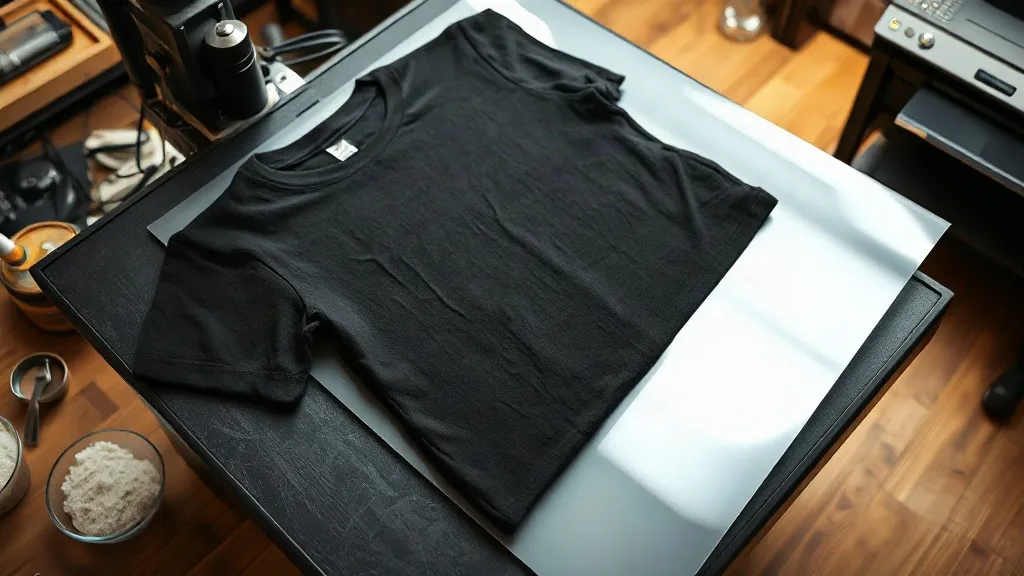
Fabric holds moisture, and moisture is the enemy of adhesion. A short pre-press at your transfer temperature removes that moisture and flattens the surface. Skipping it is the most common cause of prints that look fine on day one and start lifting after the first wash. Ten to fifteen seconds is usually enough for a t-shirt; heavier fleece deserves a little more.
Mind the Pressure and the Peel
Pressure should be firm but even. Too light and the adhesive never fully contacts the fibers. Too heavy and the ink can spread at the edges, giving you a halo. Medium pressure on most clamshell presses is the right starting point, then adjust based on what you see.
Peel temperature depends on the film. Cold peel gives sharper edges and is generally safer for fine detail. Warm peel can help on textured fabrics where you want the film to settle into the weave. Pick one, note it, and repeat it.
Store Film Properly
Printed film absorbs ambient humidity, and a damp sheet will not bond properly no matter how good your press settings are. Keep prints in a sealed bag with a desiccant pack if your workspace runs humid. This one habit prevents a whole category of mystery failures.
Finding a Reliable Supplier
Searching for dtf transfers near me usually returns a mix of local print shops and online services, and the difference matters more than the distance. A local shop can turn around a rush order the same day. An online service often wins on price per sheet and on consistent film quality, especially for larger runs.
When you evaluate a supplier, ask three questions. What film and powder do they use? Can they tell you the cure parameters? And what is their policy on defective sheets? A supplier who answers all three without hesitation is usually a supplier worth keeping. One who deflects is telling you something too.
Common Problems and Quick Fixes
Most DTF issues fall into a handful of patterns. Here is how to read them.
- Print peels after washing. Almost always moisture, insufficient pressure, or under-cured powder. Pre-press the garment and check your dwell time.
- Cracking across the design. Over-cured adhesive or too much stretch during peel. Lower the temperature slightly and peel cold.
- Dull or washed-out color. The white ink layer may be too thin, or the press temperature is high enough to scorch the pigment. Verify the film was printed with a proper white base.
- Sticky residue around the edges. Excess powder that was not shaken off before curing. Brush the sheet gently before it goes into the oven.
- Film will not release from the carrier. The sheet cooled too much before peeling, or the peel direction is wrong. Try a warm peel and pull at a low, steady angle.
None of these require new equipment. They require attention to a step that got skipped.
Getting Consistent Results Over Time
The shops that produce reliable DTF work are rarely the ones with the newest machines. They are the ones that wrote down their settings. A simple log of temperature, pressure, dwell time, and peel temperature per fabric type turns a craft into a process. When something goes wrong, you have a baseline to compare against instead of a vague memory.
Pair that log with a small test protocol. Before a large order, press one test piece and wash it. It costs a few minutes and a single garment, and it catches problems while they are still cheap to fix. Over a year, that habit will save more money than any equipment upgrade.
The appeal of dtf transfers is that they remove a lot of the friction from garment decoration. The tradeoff is that the method rewards discipline. Treat the prep, the powder, and the press as three linked steps rather than three separate chores, and the results become boringly predictable. For anyone running a print operation, boring is exactly what you want.
Frequently Asked Questions
Do DTF transfers work on 100% polyester?
Yes, and they generally hold up well, but polyester is heat sensitive. Press at a slightly lower temperature than you would use on cotton and keep the dwell time controlled. Testing a scrap piece first is always worth the minute it takes.
How many washes should a DTF print survive?
With correct application, most prints last through dozens of home wash cycles without visible fading or lifting. Longevity depends far more on prep and cure than on the film itself, so a well-pressed cheap transfer will often outlast a badly pressed premium one.
Can I apply DTF transfers with a home iron?
It is possible but frustrating. A home iron cannot deliver even pressure across the whole design, so edges tend to lift. If you are doing more than the occasional one-off, a small heat press pays for itself quickly in saved materials and redo time.
What is the difference between DTF and DTG?
DTG prints directly onto the garment, which limits it mostly to cotton and requires pretreatment. DTF prints onto film first and then transfers, which opens up blends, synthetics, and hard-to-print items. DTF also lets you stock pre-printed designs and press them on demand.
How should I store unused transfers?
Keep them flat, dry, and away from direct heat. A sealed bag with a desiccant pack is ideal in humid climates. Avoid stacking heavy items on top, since creased film can leave visible marks in the final print.