
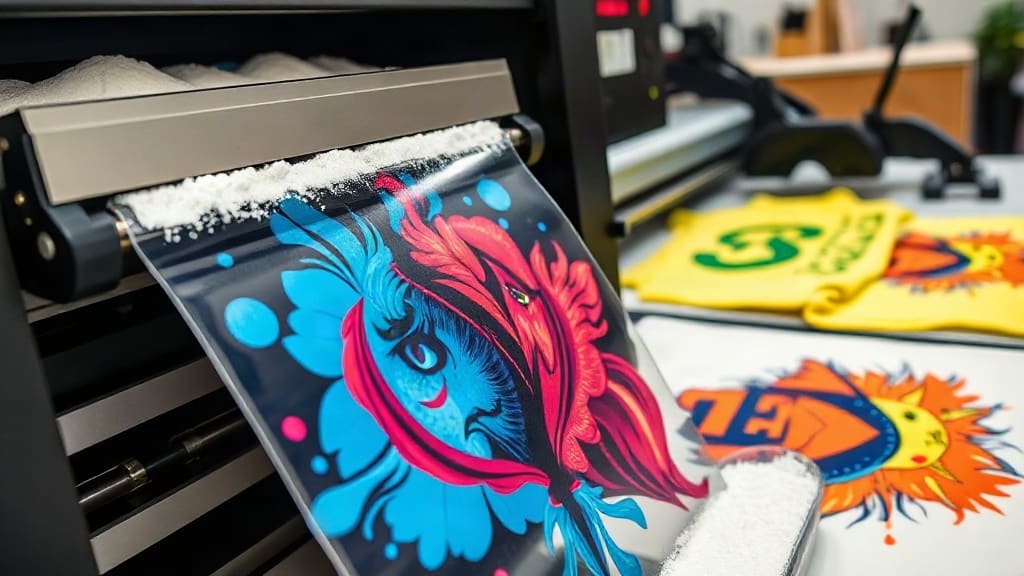
Direct-to-film, commonly known as DTF, is changing the way custom apparel is decorated. Unlike traditional methods that require weeding or specialized equipment, this technique offers a straightforward path from digital design to vibrant, durable transfers. Whether you're a small business owner, a hobbyist, or just curious about the latest in garment printing, understanding DTF can open up new creative possibilities. In this guide, we'll walk you through the essentials: what it is, how it works, and how you can get started.
What Is DTF Printing?
DTF stands for direct-to-film. It's a printing process where your design is printed onto a special PET film using a printer equipped with pigment inks. After printing, a hot-melt powder adhesive is applied to the wet ink, and then the film is cured. The result is a transfer that can be heat-pressed onto various fabrics, including cotton, polyester, and blends. Unlike DTG (direct-to-garment), which prints directly onto the fabric, DTF transfers allow for more flexibility in fabric choice and often produce more vibrant colors on dark garments.
How Does DTF Printing Work?
The process can be broken down into several key steps. Understanding each one helps you achieve consistent, high-quality results.
Step 1: Design Preparation
Start with a digital design in a graphics program. Ensure your design is in CMYK color mode and at a high resolution (300 DPI is recommended). Remember that DTF printers use white ink as a base, so you'll need to prepare your file with a white underbase layer if you're printing on dark fabrics. Most RIP software handles this automatically, but it's good to know the basics.
Step 2: Printing
Load the PET film into your DTF printer. The printer lays down a layer of white ink, followed by the CMYK colors. The white ink acts as an opaque base, allowing the colors to pop on any fabric color. The printed film then passes through a powder shaker that applies hot-melt adhesive powder evenly over the wet ink.
Step 3: Curing
After powdering, the film goes into a curing oven. The heat melts the powder, creating a adhesive layer that will bond with the fabric during heat pressing. Proper curing is crucial: undercuring leads to poor washability, while overcuring can cause the film to become brittle or the colors to dull.
Step 4: Heat Pressing
Once cured, the transfer is ready to be applied. Set your heat press to the recommended temperature (usually around 160°C/320°F) and pressure. Place the transfer on the garment, press for 10-15 seconds, then peel the film off while it's still hot (hot peel) or after it cools (cold peel), depending on the film type. The result is a soft, stretchable print that adheres firmly to the fabric.
Why Choose DTF Printing?
DTF offers several advantages over other decoration methods. Here are a few reasons why it's gaining popularity:
- Versatility: Works on a wide range of fabrics, including cotton, polyester, nylon, and blends, as well as on dark and light colors.
- No Weeding: Unlike vinyl, there's no tedious weeding process. You can print complex designs with fine details easily.
- Durability: When properly applied, DTF transfers withstand repeated washing without cracking or fading.
- Cost-Effective for Short Runs: It's ideal for small batches or one-off items, as there's no minimum order quantity.
- Vibrant Colors: The white ink base ensures colors remain bright and opaque on any garment.
Common Challenges and How to Overcome Them
Even though DTF is user-friendly, beginners often face a few hurdles. Here are some common issues and their solutions:
Poor Adhesion
If the transfer peels off after washing, it's likely due to insufficient pressure, incorrect temperature, or undercuring. Ensure your heat press is calibrated and apply consistent pressure. Also, check that the powder was applied evenly and fully melted.
Faded or Dull Colors
This can happen if the white ink layer is too thin or if the curing temperature was too high, causing the pigments to degrade. Use a reliable RIP software to manage ink limits and follow the manufacturer's curing guidelines.
Film Sticking to the Press
If the film sticks to the heat press, it might be because you're peeling too soon or the film type requires cold peel. Try waiting a few seconds before peeling, or use a protective sheet over the transfer.
Tips for Success with DTF
To get the best results, keep these tips in mind:
- Quality Materials: Use high-quality PET film and inks specifically designed for DTF. Cheap alternatives can lead to clogs and poor prints.
- Maintain Your Printer: Regular cleaning and maintenance prevent nozzle clogs and ensure consistent ink flow.
- Test Your Settings: Every heat press is different. Always do a test press to dial in the right temperature, pressure, and time.
- Store Transfers Properly: Keep unused transfers in a cool, dry place away from direct sunlight to prevent the adhesive from activating prematurely.
Frequently Asked Questions
What fabrics can I use with DTF transfers?
DTF transfers work on almost any fabric, including cotton, polyester, blends, nylon, and even leather. They are especially popular for dark garments because the white ink base makes colors stand out.
How long do DTF prints last?
When applied correctly, DTF prints can last as long as the garment itself. They are durable and can withstand 50+ washes without significant fading or cracking if proper care instructions are followed.
Do I need a special printer for DTF?
Yes, you need a printer that uses DTF pigment inks and is equipped with a white ink channel. Many converted Epson printers are popular for this purpose, but dedicated DTF printers are also available.
Can I print DTF transfers at home?
Absolutely. With the right equipment (printer, powder shaker, curing oven, and heat press), you can set up a home-based DTF studio. It's a great option for small businesses or hobbyists.
Is DTF printing cost-effective?
For short runs and one-off designs, DTF is very cost-effective because there's no setup fee or minimum order. For large batches, other methods like screen printing might be cheaper per unit, but DTF eliminates the need for screens and allows for full-color designs.
With its combination of versatility, durability, and ease of use, DTF printing is a valuable addition to any garment decoration toolkit. Whether you're just starting out or looking to expand your offerings, mastering DTF can help you bring your creative ideas to life on fabric.