
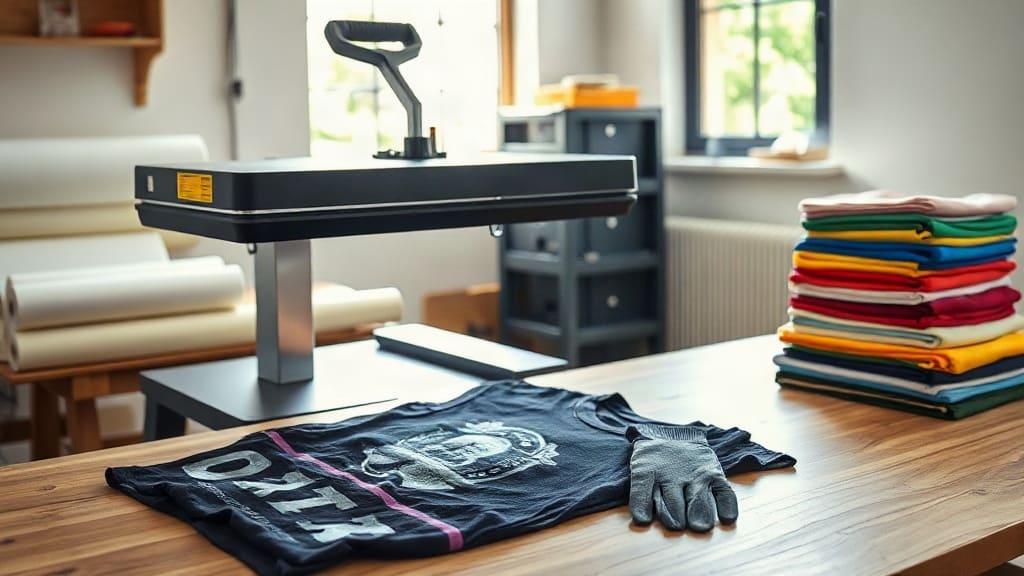
When you first dive into the world of DTF transfers, the sheer number of choices can feel overwhelming. Which blanks work best? How do you avoid cracking or fading? And why do some prints look flawless while others peel after one wash? If you have ever asked these questions, you are in the right place. This guide cuts through the noise, giving you practical, field-tested advice on pairing DTF transfers with the right garments. Whether you are a hobbyist or running a full-scale shop, you will learn how to pick blanks from trusted brands like Shaka Wear and Smart Blanks, apply transfers correctly, and troubleshoot like a seasoned pro.
Why DTF Transfers Are a Game-Changer for Custom Apparel
DTF, or direct-to-film, printing has exploded in popularity for good reason. Unlike vinyl or screen printing, DTF lets you produce full-color, high-detail designs without minimums or color limits. The process involves printing your artwork onto a special film, coating it with adhesive powder, and curing it. Then you simply heat-press it onto a garment. The result is a soft, stretchable print that holds up wash after wash. But the magic only happens when you combine quality transfers with the right substrate. That is where blanks come in.
Choosing the Right Blanks for DTF Transfers
Not all t-shirts are created equal, and your blank choice can make or break your DTF output. The ideal blank for DTF should have a smooth, tightly woven surface and a high cotton content. Polyester can work, but it often requires lower pressing temperatures to avoid dye migration. Let us break down what to look for and highlight two standout brands: Shaka Wear and Smart Blanks.
Fabric Composition: Cotton vs. Blends
100% cotton is the gold standard for DTF. It accepts the adhesive readily and produces vibrant, durable prints. Cotton-poly blends (like 50/50) also work well, but you may need to adjust your press settings. For performance wear, look for polyester with a DTF-friendly coating. Always test a sample before committing to a full run.
Weight and Weave
A medium-weight fabric (around 5.3 to 6.1 oz) offers the best of both worlds: it drapes nicely and provides a stable surface for the transfer. Lightweight blanks can be tricky because the heat press might scorch them or cause the transfer to shift. Heavier fabrics, like 6.5 oz, are great for hoodies and workwear but may require longer pressing times. The weave should be tight; loose knits can let the adhesive seep through, leading to a stiff feel.
Why Shaka Wear and Smart Blanks Stand Out
Shaka Wear has built a reputation for consistent quality and a wide range of styles, from basic tees to heavyweight hoodies. Their garments are known for holding up well to repeated heat pressing, which is crucial for DTF. The smooth surface of their cotton tees allows for excellent detail transfer, and the colorfast dyes resist bleeding. Many printers swear by Shaka Wear for both retail and promotional work.
Smart Blanks is another favorite, especially for those who want a modern fit and soft hand feel. Their tri-blend and ring-spun options are incredibly smooth, making them ideal for intricate DTF designs. The consistency across batches means you can order with confidence, knowing your next run will match the last. If you are looking for blanks that feel premium and print like a dream, Smart Blanks deserves a spot in your inventory.
Step-by-Step DTF Application for Flawless Results
Even the best DTF transfers can fail if you rush the application. Follow these steps for reliable outcomes.
Pre-Press the Garment
Moisture is the enemy of DTF. Always pre-press your blank for 5-10 seconds to remove wrinkles and moisture. This step also helps the fabric shrink slightly before you apply the transfer, preventing cracks later.
Set the Right Temperature and Pressure
Most DTF transfers require a temperature between 325°F and 350°F (160°C-175°C). Pressure should be medium to firm, enough to embed the adhesive into the fabric without flattening the print. Always check the transfer supplier's recommendations, as films vary.
Peel with Care
DTF transfers are typically cold peel or warm peel. Cold peel means you wait until the transfer is completely cool before removing the film. Warm peel means you remove it while still warm. Follow the instructions for your specific film. Peeling too early or too late can ruin the edges.
Post-Press for Durability
After peeling, give the print a final press for 5-10 seconds with a cover sheet. This step ensures the adhesive fully cures and the print becomes wash-resistant. Do not skip it.
Common DTF Problems and How to Fix Them
Even pros run into issues. Here are quick fixes for the most frequent complaints.
- Print peeling after wash: Usually due to insufficient pressure or under-curing. Increase pressure and post-press time.
- Cracking: Often caused by stretching the garment while hot or using too high a temperature. Let the garment cool completely before handling.
- Dull colors: Could be a sign of low-quality transfers or pressing at too low a temperature. Try a higher temp or switch to a reputable supplier.
- Adhesive residue on the film: Indicates the transfer was too hot or pressed too long. Reduce temperature or time.
Maximizing Profits with DTF and Quality Blanks
If you are selling custom apparel, your profit margin depends on efficiency and quality. Using reliable blanks like Shaka Wear and Smart Blanks reduces waste and returns. Combine that with well-applied DTF transfers, and you build a reputation for products that last. Consider offering a wash guarantee; it builds trust and sets you apart from competitors who cut corners.
Frequently Asked Questions
Can I use DTF transfers on 100% polyester?
Yes, but you need to be cautious. Polyester can be sensitive to heat, so lower your press temperature to around 300°F and use light pressure. Also, some polyester dyes may migrate into the transfer, causing discoloration. Look for transfers designed for polyester or use a barrier layer.
How do I prevent DTF prints from cracking?
Cracking usually happens when the print is stretched while hot or when the garment is washed in hot water. Always let the garment cool completely after pressing, and wash inside out in cold water. Also, ensure you are using enough pressure during application so the adhesive penetrates the fibers properly.
What is the best blank brand for DTF transfers?
There is no single best brand, as it depends on your needs. Shaka Wear is excellent for heavyweight and classic fits, while Smart Blanks offers softer, modern cuts. Both provide consistent quality that works well with DTF. Order samples from a few brands to see which suits your customers best.
How long do DTF transfers last?
With proper application and care, DTF transfers can last as long as the garment itself. They withstand dozens of washes without fading or peeling if you follow the correct temperature, pressure, and post-press steps. Always test a sample before a large order.
Do I need a special printer for DTF?
Yes, DTF requires a dedicated DTF printer that uses pigment inks and prints onto PET film. You also need a shaker machine for applying adhesive powder and a heat press for curing. If you are not ready to invest, you can buy pre-printed transfers from suppliers and apply them with a standard heat press.