
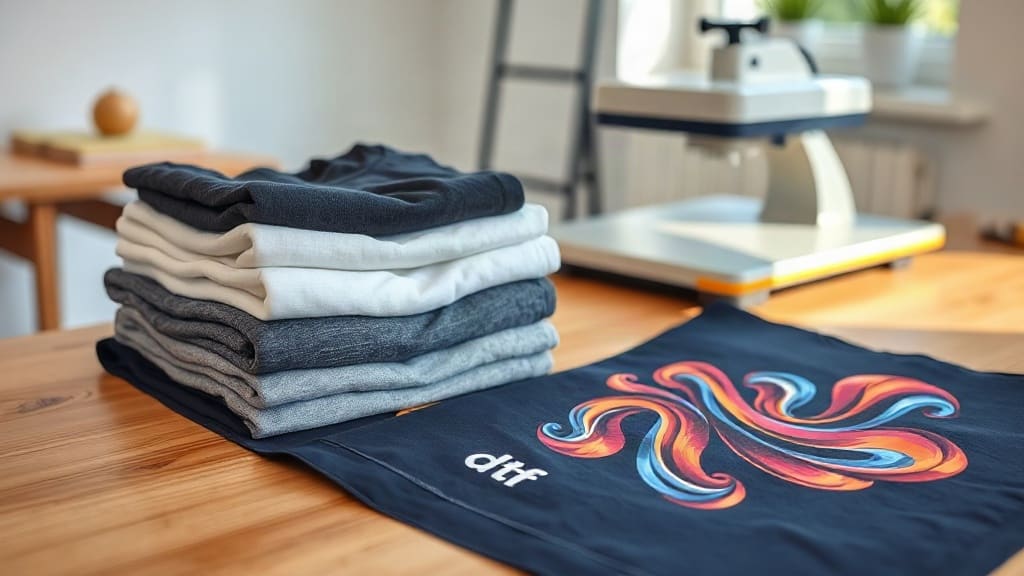
If you are serious about creating custom apparel that feels as good as it looks, you have probably heard about smart blanks. These are not just any plain garments; they are carefully engineered pieces that offer the ideal canvas for decoration. In this guide, we will explore how smart blanks pair with shaka wear and DTF transfers to produce standout results. Whether you are a small business owner, a hobbyist, or a seasoned pro, understanding this trio can elevate your game.
What Are Smart Blanks and Why Do They Matter?
Smart blanks refer to apparel items that are designed with decoration in mind. They often feature tight weave, consistent fabric density, and minimal shrinkage. Unlike generic blanks, smart blanks are tested for how they handle heat, pressure, and ink. This makes them ideal for DTF transfers, which require a smooth surface and reliable adhesion. When you choose smart blanks, you are not just buying a t-shirt; you are investing in a predictable outcome.
For example, a 100% ring-spun cotton tee with a tight knit will hold the fine details of a DTF transfer better than a loose, low-quality shirt. The difference is visible: colors pop, edges stay crisp, and the print does not crack after a few washes. That is why smart blanks are the go-to for professionals who cannot afford inconsistencies.
Shaka Wear: The Gold Standard for Streetwear Blanks
When it comes to shaka wear, you are looking at a brand that has deep roots in streetwear culture. Known for their heavyweight fabrics and relaxed fits, Shaka Wear garments are a favorite among those who want a premium feel without the premium price tag. Their t-shirts, hoodies, and tank tops are constructed with durability in mind, making them excellent candidates for DTF transfers.
I have personally used Shaka Wear blanks for several projects, and the results have been consistently impressive. The fabric is thick enough to prevent the transfer from sinking in, yet soft enough to wear comfortably. Plus, the color range is extensive, so you can find the perfect base for your design. If you are aiming for that classic streetwear look, Shaka Wear is a smart choice.
Why Shaka Wear Works Well with DTF Transfers
DTF transfers adhere best to fabrics with a smooth, even surface. Shaka Wear blanks are manufactured with high-quality cotton and polyester blends that provide exactly that. The tight weave means the transfer sits on top of the fabric rather than getting lost in it. Additionally, Shaka Wear garments are pre-shrunk, so your finished product will not change shape after the first wash. This compatibility is why many decorators keep a stash of Shaka Wear blanks in their workshop.
DTF Transfers: The Modern Way to Decorate Apparel
DTF transfers, or direct-to-film transfers, have revolutionized the custom apparel industry. Unlike screen printing or vinyl, DTF allows you to print full-color, highly detailed designs without the need for multiple screens or weeding. The process involves printing your design onto a special film, applying adhesive powder, and then heat-pressing it onto the garment. The result is a vibrant, durable print that can stretch with the fabric without cracking.
One of the biggest advantages of DTF is its versatility. You can apply DTF transfers to cotton, polyester, blends, and even nylon. This opens up a world of possibilities for using different types of smart blanks. Whether you prefer the classic feel of 100% cotton or the performance of a poly blend, DTF has you covered.
Step-by-Step: Applying DTF Transfers to Smart Blanks
Getting a professional finish with DTF transfers requires attention to detail. Here is a straightforward process that I have refined over years of experience:
- Pre-press the garment: This removes moisture and wrinkles. Set your heat press to around 300°F (150°C) and press for 5-10 seconds.
- Position the transfer: Place the DTF transfer on the garment with the printed side facing up. Use heat-resistant tape if needed to keep it in place.
- Press: Apply medium to heavy pressure for 15-20 seconds at 300°F. Every press is different, so test with a scrap piece first.
- Peel: Wait for the transfer to cool completely before peeling off the film. This is often called a "cold peel."
- Post-press: For extra durability, cover the design with parchment paper and press again for 5-10 seconds.
Following these steps on smart blanks from Shaka Wear or other reputable brands will give you a wash-resistant, stretchable print that looks store-bought.
Choosing the Right Smart Blanks for Your Project
Not all blanks are created equal. When selecting smart blanks for DTF transfers, consider the following factors:
- Fabric content: 100% cotton offers a soft, natural feel, while polyester blends provide durability and moisture-wicking properties.
- Weight: Heavier fabrics (like 5.5 oz and up) tend to hold transfers better and feel more premium.
- Color: Light colors require less ink, while dark colors may need a white underbase for opacity. DTF transfers include a white layer automatically, so they work on any color.
- Fit: Choose a fit that matches your target audience. Shaka Wear, for instance, is known for its relaxed, streetwear-inspired cuts.
By matching the right blank with the right transfer, you ensure a product that not only looks great but also lasts.
Common Pitfalls and How to Avoid Them
Even with the best materials, mistakes can happen. Here are some common issues when working with smart blanks and DTF transfers, along with solutions:
- Transfer peeling after washing: This usually happens due to insufficient pressure or incorrect temperature. Always follow the transfer manufacturer's instructions and use a heat gun to check adhesion.
- Color fading: Cheap blanks may fade after a few washes. Invest in quality smart blanks like Shaka Wear to maintain color vibrancy.
- Cracking: If the transfer cracks, it might be because the garment was stretched during pressing. Ensure the fabric is flat and not overstretched.
- Ghosting: This occurs when the transfer shifts during pressing. Use heat tape to secure it.
With a bit of practice, you will be able to avoid these pitfalls and produce flawless results every time.
Frequently Asked Questions
What are smart blanks and why should I use them for DTF transfers?
Smart blanks are garments designed with decoration in mind, featuring consistent fabric density and minimal shrinkage. They provide a smooth surface that allows DTF transfers to adhere properly, resulting in vibrant, durable prints. Using smart blanks reduces the risk of common issues like cracking or peeling.
Is Shaka Wear compatible with DTF transfers?
Absolutely. Shaka Wear garments are made from high-quality cotton and blends that work exceptionally well with DTF transfers. Their tight weave and pre-shrunk fabrics ensure that the transfer stays put and looks great wash after wash.
How do I choose the best smart blanks for my project?
Consider fabric content, weight, color, and fit. For DTF transfers, a smooth, tight weave is key. Brands like Shaka Wear offer a range of options that cater to different styles and preferences. Always test a sample before committing to a large order.
Can I apply DTF transfers to any color of smart blanks?
Yes, DTF transfers include a white underbase, so they show up vividly on both light and dark garments. However, on very dark colors, you may need to adjust your design to ensure contrast. Always do a test press to check the final look.
What is the best way to wash apparel with DTF transfers?
Turn the garment inside out and wash in cold water on a gentle cycle. Avoid using bleach or fabric softener. Tumble dry on low or hang dry. Following these care instructions will extend the life of your DTF-printed apparel.
Final Thoughts
Combining smart blanks, shaka wear, and DTF transfers is a recipe for success in the custom apparel world. Whether you are creating a brand, making team uniforms, or just experimenting with designs, these three elements work together to deliver professional-quality results. Remember to choose your blanks wisely, follow the application steps carefully, and always test before full production. With practice, you will be able to produce apparel that not only meets but exceeds expectations.