
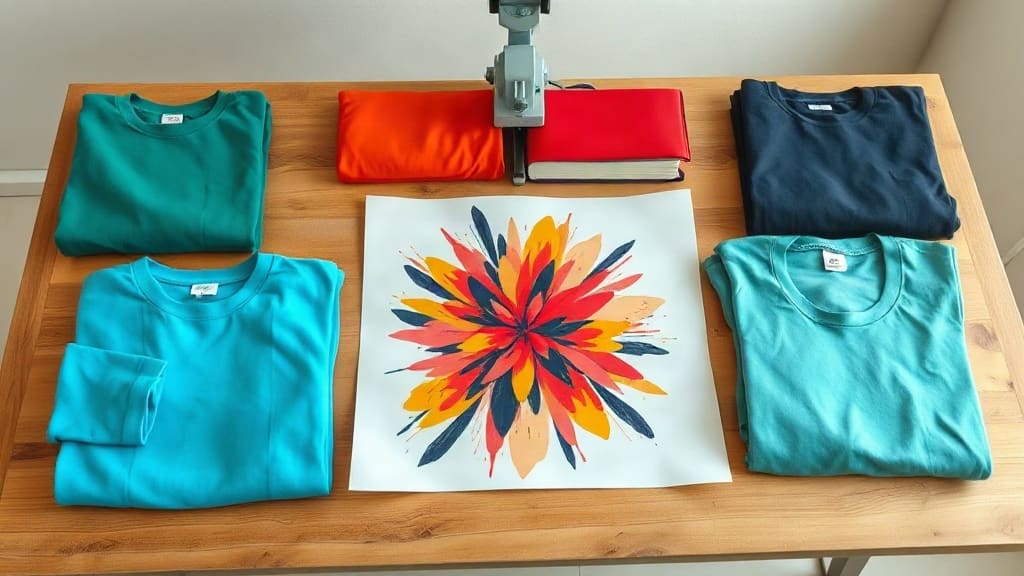
When it comes to creating custom apparel that feels as good as it looks, the blank you choose matters just as much as the design you print. Smart blanks have quietly become a go-to for crafters and small business owners who want reliability without the premium price tag. Pair them with shaka wear for a streetwear edge, and you have a canvas that's ready for almost any decoration method. But if you're like most people exploring this space, you're probably wondering how these blanks hold up with DTF transfers specifically. That's exactly what we're diving into today.
Why Smart Blanks Are a Game-Changer for Custom Apparel
If you've spent any time sourcing blanks, you know the struggle: cheap options often feel rough and shrink after one wash, while premium brands can eat into your margins. Smart blanks sit in that sweet spot. They're typically made from a cotton-poly blend that balances softness with durability, and they hold their shape wash after wash. For anyone printing DTF transfers, that blend is actually ideal because it allows the adhesive to bond evenly without the fibers fighting back.
Another reason these blanks have gained traction is their consistent sizing. When you're fulfilling orders, a blank that runs true to size saves you from headaches and returns. I've personally tested dozens of blanks over the years, and the variance in sizing across budget brands is real. Smart blanks tend to be more predictable, which means your customers get what they expect.
Fabric Composition and DTF Compatibility
Most smart blanks come in a 50/50 or 60/40 cotton-poly blend. This matters for DTF transfers because the poly content helps the transfer adhere at lower temperatures, reducing the risk of scorching. Pure cotton can work too, but you'll often need to adjust your press settings. With a blend, the transfer film releases cleanly, and the print stretches with the fabric instead of cracking.
One thing to watch: some smart blanks have a slight texture. It's not a problem for DTF, but if you're used to printing on ultra-smooth surfaces, you might need to increase your pressure slightly to ensure full contact. A quick test press on a scrap piece will tell you everything you need to know.
Shaka Wear: Where Streetwear Meets DTF Transfers
Now let's talk about shaka wear. If you're not familiar, Shaka Wear is a brand that has deep roots in streetwear and skate culture. Their blanks are known for a heavier weight, boxier fit, and that relaxed vibe that's perfect for bold graphics. When you combine shaka wear with DTF transfers, you get a match made for urban fashion.
Shaka Wear tees often run a bit larger and have a more substantial hand feel. That weight actually works in your favor with DTF because the fabric doesn't shift as much during pressing. The thicker cotton also provides a nice backdrop for vibrant colors, making your transfers pop. I've seen designs that looked flat on thinner blanks come to life on a Shaka Wear tee.
Choosing the Right Shaka Wear Style for Your Project
Shaka Wear offers several fits, from classic crew necks to tall tees. For DTF, the classic crew is usually the safest bet because the surface is flat and easy to press. Tall tees can work too, but you'll need to position your design carefully to avoid seams. If you're doing oversized prints, the extra length gives you more canvas to play with.
One pro tip: pre-press your Shaka Wear blank for a few seconds before applying the transfer. This removes moisture and wrinkles, which are the enemy of a smooth DTF application. It's a small step that makes a big difference in the final quality.
DTF Transfers 101: What You Need to Know Before You Start
DTF transfers have exploded in popularity for good reason. They allow you to print full-color, photographic-quality designs without the hassle of weeding vinyl or mixing screens. The process involves printing your design onto a special film, coating it with adhesive powder, and then heat-pressing it onto your garment. The result is a soft, stretchy print that can handle intricate details.
But not all DTF transfers are created equal. The quality of the film, the ink, and the powder all affect how the final print looks and lasts. When you're working with smart blanks or Shaka Wear, you want transfers that are engineered to bond well with cotton-poly blends. Cheaper transfers might look fine initially but can crack or fade after a few washes. Investing in quality transfers saves you from unhappy customers and reprints.
Step-by-Step DTF Application on Smart Blanks and Shaka Wear
Here's a straightforward process that works for both blank types:
- Preheat your press to around 325°F (160°C). Every press is a little different, so check your transfer supplier's recommendations.
- Pre-press the garment for 5-10 seconds to remove wrinkles and moisture.
- Position your DTF transfer with the design facing up. Use heat tape if needed to keep it in place.
- Press with medium-heavy pressure for 15-20 seconds. Too little pressure and the transfer won't adhere; too much and you risk ink spread.
- Peel the film while it's still warm (hot peel) or after it cools (cold peel), depending on your transfer type. Most modern DTF transfers are hot peel.
- Post-press for another 5-10 seconds with a cover sheet to ensure the adhesive fully cures.
After pressing, stretch the print gently to check adhesion. It should flex without cracking. If it does crack, you likely need more pressure or a slightly higher temperature. Always test on a scrap piece first.
Maximizing Durability: Tips for Long-Lasting Prints
Getting a great print is one thing; keeping it looking great after 50 washes is another. Here are some practical tips:
- Wash inside out in cold water. This reduces abrasion on the print.
- Avoid fabric softener and bleach, which can break down the adhesive.
- Tumble dry low or hang dry. High heat is the enemy of DTF prints.
- Iron inside out if needed, but never directly on the print.
These habits apply to any decorated garment, but they're especially important for DTF because the print sits on top of the fabric rather than being dyed into it.
Common Mistakes to Avoid with Smart Blanks and Shaka Wear
Even experienced crafters run into issues. Here are a few pitfalls I've seen:
- Not pre-pressing: Skipping this step leads to uneven adhesion and wrinkles under the transfer.
- Using too much pressure: This can flatten the fabric and cause the transfer to spread, blurring fine details.
- Peeling at the wrong temperature: Always follow the transfer manufacturer's instructions. Peeling too early or too late can ruin the print.
- Ignoring fabric blends: Not all blanks are 100% cotton. Smart blanks and Shaka Wear often have poly, which requires slightly different settings.
By avoiding these mistakes, you'll get consistent, professional results every time.
FAQ: Smart Blanks, Shaka Wear, and DTF Transfers
Can I use DTF transfers on 100% cotton Smart Blanks?
Yes, DTF transfers work on 100% cotton, but you may need to adjust your press settings. Cotton requires a bit more heat and pressure to get the adhesive to bond properly. Always do a test press to dial in your settings.
Are Shaka Wear blanks true to size?
Shaka Wear tends to run slightly larger and has a boxier fit. If you're used to standard retail tees, consider sizing down for a more fitted look. For streetwear styles, the oversized fit is part of the appeal.
How do I prevent DTF prints from cracking on stretchy fabrics?
Stretch the print immediately after pressing while it's still warm. This helps the adhesive and ink flex with the fabric. Also, ensure you're using a high-quality DTF transfer designed for stretch fabrics. Lower-quality transfers are more prone to cracking.
What's the best way to store DTF transfers before use?
Keep them in a cool, dry place away from direct sunlight. Humidity can affect the adhesive powder, so storing them in a sealed bag with a desiccant pack is a good idea. Use them within a few months for best results.
Can I layer DTF transfers on Smart Blanks or Shaka Wear?
Layering is possible but tricky. You'll need to press the first layer, then apply the second layer on top, pressing again. Be careful not to over-press, as this can cause the colors to bleed or the adhesive to fail. It's often easier to design your artwork as a single transfer with multiple colors.
Final Thoughts
Choosing the right blank and mastering your DTF application opens up a world of possibilities. Smart blanks offer a reliable, budget-friendly option that works well for a variety of designs. Shaka wear brings that streetwear credibility and heavier weight that many customers love. And DTF transfers give you the freedom to print detailed, full-color graphics without the limitations of traditional methods. Whether you're just starting out or looking to expand your product line, this combination is worth exploring. Remember to test, adjust, and refine your process. With a little practice, you'll be producing custom apparel that looks professional and lasts.