
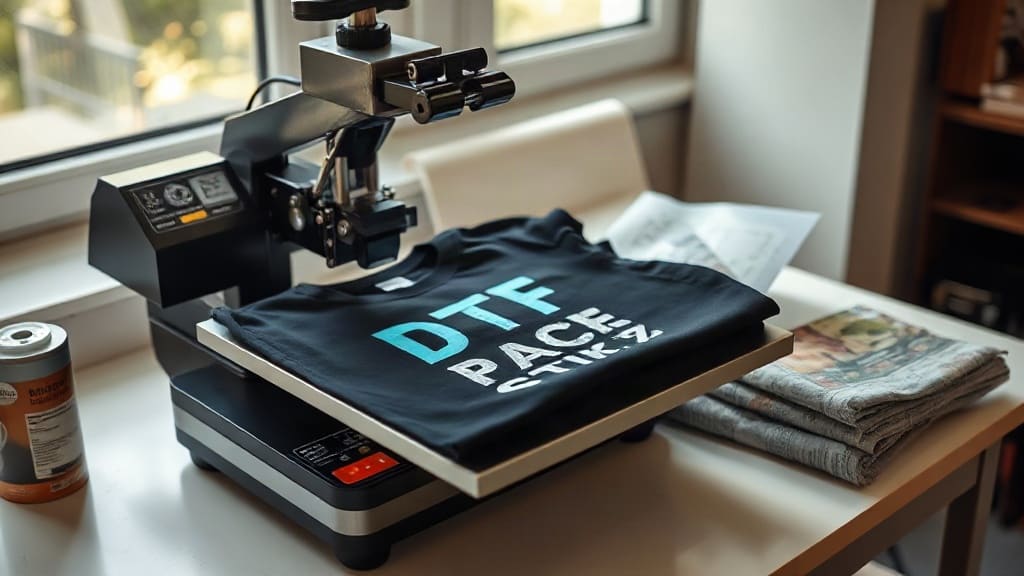
If you've been exploring custom apparel printing, you've likely heard about DTF Transfers. This innovative technology is changing how businesses and hobbyists create vibrant, durable designs on fabrics. Unlike traditional methods, DTF transfers offer unmatched versatility and simplicity. In this guide, I'll walk you through everything you need to know, from the basics to pro tips, so you can achieve professional results at home or in your shop.
What Are DTF Transfers?
DTF stands for Direct-to-Film. It's a printing method where your design is printed onto a special film, coated with adhesive powder, and then heat-pressed onto fabric. The result? A soft, stretchable print that bonds well with cotton, polyester, and blends. I remember my first DTF print: I was amazed at how easily it adhered to a dark polyester shirt that usually rejects other transfers. That moment sold me on the technology.
Why Choose DTF Transfers?
There are plenty of reasons why DTF has become a go-to for many printers. Let's break down the key benefits.
Unmatched Versatility
DTF transfers work on almost any fabric, including cotton, polyester, nylon, and even leather. You're not limited to light colors either; the white ink layer ensures vibrant prints on dark garments.
Durability and Stretch
Because the transfer is flexible, it moves with the fabric without cracking. I've washed DTF-printed shirts dozens of times, and they still look fresh.
Cost-Effective for Small Runs
Unlike screen printing, DTF doesn't require minimum orders or setup fees. You can print one-off designs profitably.
Simple Workflow
With a DTF printer, you can go from digital design to finished product in minutes. No weeding, no masking, just print, powder, and press.
How DTF Transfers Work: Step by Step
Understanding the process helps you troubleshoot and perfect your technique. Here's a detailed walkthrough.
1. Design Preparation
Start with a high-resolution image. DTF printers use CMYK plus white ink, so ensure your design has transparent backgrounds where needed. I always double-check for stray pixels that could show up in the print.
2. Printing
The printer lays down CMYK inks first, followed by a white ink layer. This white layer is crucial for opacity on dark fabrics. Some printers allow you to adjust white ink density for different fabrics.
3. Powder Application
While the ink is still wet, you apply a hot-melt adhesive powder over the film. Shake off the excess, then melt the powder using a heat source (often a curing oven or heat press). This powder becomes the glue that bonds the transfer to the fabric.
4. Curing
The film is then cured to activate the adhesive. Proper curing ensures the transfer survives washes. I use a heat press at 160°C (320°F) for about 2-3 minutes.
5. Transferring to Fabric
Once cooled, the transfer is ready. You can store it for later or press it immediately. Use a heat press at 160°C (320°F) for 15 seconds with medium pressure. Peel the film cold or hot depending on the film type; most DTF films are cold peel.
DTF vs. Other Printing Methods
How does DTF stack up against DTG, screen printing, and vinyl? Let's compare.
- DTG (Direct-to-Garment): Great for cotton, but DTF works on more fabrics and often has better durability.
- Screen Printing: Cheaper for large orders, but DTF wins for small batches and complex designs.
- Vinyl: Good for simple text, but DTF handles gradients and photos with ease.
In my experience, DTF offers the best balance of quality, versatility, and cost for most custom apparel needs.
Common Challenges and How to Overcome Them
Even with a straightforward process, issues can arise. Here's how to tackle them.
Poor Adhesion
If the transfer peels, it's likely due to insufficient pressure or incorrect temperature. Always pre-press the garment to remove moisture, and follow the film manufacturer's guidelines.
Faded Prints
Fading often comes from under-curing the powder. Invest in a good heat press with accurate temperature control, and use a laser thermometer to verify.
Clogged Printheads
DTF printers require regular maintenance. I run a daily cleaning cycle and store inks properly to avoid clogs.
Expert Tips for Flawless DTF Transfers
After countless prints, I've picked up a few tricks that make a big difference.
- Preheat the garment: This removes wrinkles and moisture, ensuring a smooth surface.
- Use a Teflon sheet: It protects the transfer and distributes heat evenly.
- Test your settings: Every fabric behaves differently. Do a test press on a scrap piece.
- Store transfers properly: Keep them in a cool, dry place away from direct sunlight.
These small steps can elevate your results from good to professional.
Applications of DTF Transfers
DTF isn't just for t-shirts. I've used it on tote bags, hoodies, caps, and even denim jackets. It's also great for personalized gifts, team uniforms, and promotional items. The possibilities are endless.
Frequently Asked Questions
Can I use DTF transfers on 100% polyester?
Absolutely. DTF works well on polyester, but you may need to adjust temperature and pressure. Start with a lower temperature (around 150°C) and test.
How long do DTF transfers last?
With proper application and care, DTF prints can last 50+ washes. Avoid ironing directly on the print and wash inside out in cold water.
Do I need a special printer for DTF?
Yes, you need a DTF printer that uses pigment inks and a white ink channel. However, you can also buy pre-printed transfers from suppliers if you don't want to invest in a printer.
What's the difference between DTF and DTG?
DTF transfers are printed on film and then applied, while DTG prints directly onto the garment. DTF is more versatile with fabrics and often more durable.
Can I stretch DTF prints?
Yes, DTF transfers are flexible and stretch with the fabric without cracking, making them ideal for performance wear.
DTF transfers have revolutionized custom apparel printing. Whether you're a hobbyist or a business owner, mastering this technique opens up a world of possibilities. With the right tools and a bit of practice, you'll be creating stunning, long-lasting prints in no time.