
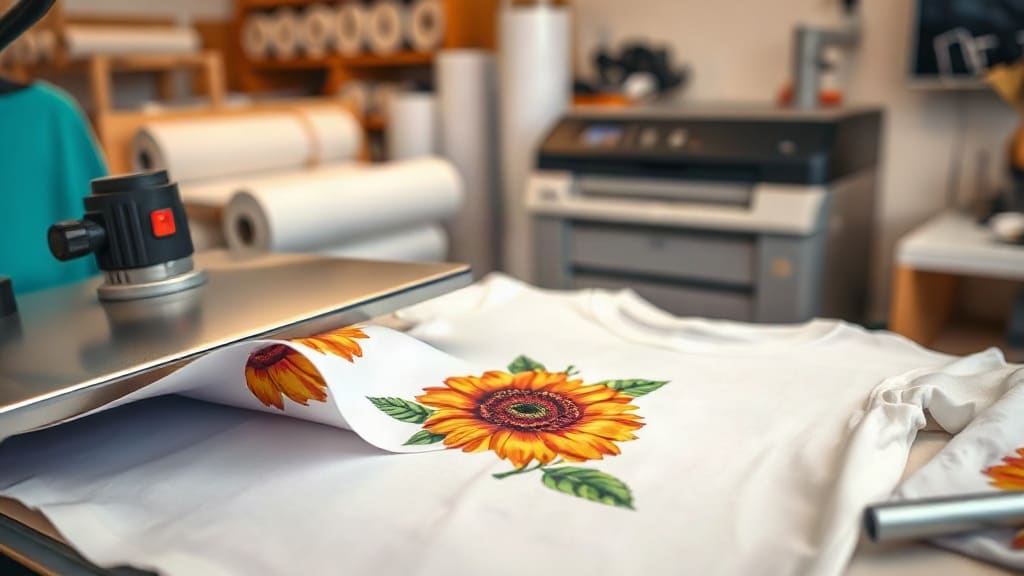
Imagine pressing a button and watching a full-color design appear on a cotton t-shirt in under a minute. That's the magic of DTF Transfers. Unlike traditional screen printing or vinyl, DTF (Direct to Film) transfers let you print intricate, multi-colored designs onto almost any fabric without the mess of weeding or the cost of setup fees. Whether you're a hobbyist crafter or a seasoned print shop owner, understanding DTF transfers can open up a world of creative and profitable possibilities.
In this guide, we'll walk you through everything you need to know about DTF transfers: how they work, how to apply them, and how to build a business around them. We'll share practical tips from real-world experience, so you can avoid common pitfalls and get professional results every time.
What Are DTF Transfers?
DTF Transfers are a relatively new printing technology that involves printing a design onto a special film, coating it with adhesive powder, and then heat-pressing it onto a garment. The result is a soft, stretchable, and durable print that bonds permanently to the fabric. Unlike DTG (Direct to Garment) printing, which requires specialized inks and pretreatment, DTF transfers work on a wide range of materials including cotton, polyester, blends, and even nylon. They're also ideal for small batches and one-off designs because there's no minimum order quantity.
The magic happens in the film. A DTF printer uses CMYK plus white ink to lay down the design on a PET film. The white ink acts as a base, allowing the colors to pop on dark fabrics. After printing, a powdered hot-melt adhesive is applied to the wet ink, and the film is cured. The result is a transfer that can be stored for months and applied on demand.
How DTF Transfers Compare to Other Printing Methods
Choosing the right printing method for your project can be overwhelming. Here's how DTF stacks up against the competition:
- Screen Printing: Best for large orders with simple designs. Requires setup fees and separate screens for each color. DTF has no setup fees and handles complex designs effortlessly.
- DTG: Great for 100% cotton, but requires pretreatment and can be finicky on blends. DTF works on almost any fabric and doesn't need pretreatment.
- Vinyl (HTV): Cheap for simple one-color designs, but weeding is time-consuming and multi-color designs are labor-intensive. DTF allows full-color prints with no weeding.
- Sublimation: Only works on polyester and requires a light-colored substrate. DTF adheres to cotton and dark fabrics.
For many small businesses and crafters, DTF offers the best balance of quality, versatility, and cost-efficiency.
Step-by-Step: How to Apply DTF Transfers
Applying a DTF transfer is straightforward, but following the right steps ensures a long-lasting result. Here's what you need:
Tools and Materials
- Heat press (or iron with no steam)
- DTF transfer
- Garment (preferably pre-pressed to remove moisture)
- Parchment paper or Teflon sheet
Application Steps
- Preheat the garment: Press for 5-10 seconds to remove wrinkles and moisture. This step is crucial for proper adhesion.
- Position the transfer: Place the DTF transfer face down on the garment. Ensure it's exactly where you want it.
- Press: Set your heat press to 325°F (160°C) with medium pressure. Press for 15-20 seconds.
- Peel: Wait for the transfer to cool completely (cold peel) before removing the film. This prevents the design from stretching or smudging.
- Post-press: For extra durability, cover with parchment paper and press again for 5-10 seconds.
Pro tip: Always test your heat press settings on a scrap garment first. Different fabrics and transfer brands may require slight adjustments.
Common Mistakes to Avoid with DTF Transfers
Even experienced crafters can run into issues. Here are the most common pitfalls and how to avoid them:
- Peeling too soon: If you peel the film while it's still hot, the design can stretch or leave adhesive residue. Always wait for it to cool.
- Insufficient pressure: Not enough pressure means the design won't bond properly. Use firm, even pressure.
- Wrong temperature: Too hot and the film may shrink; too cold and the adhesive won't activate. Invest in a good heat press with accurate temperature control.
- Ignoring fabric type: While DTF works on many fabrics, some (like certain nylons) may require a lower temperature. Always check compatibility.
By avoiding these mistakes, you'll get consistent, professional results that keep customers coming back.
Starting a DTF Transfer Business
The low startup cost and versatility of DTF transfers make it an attractive business opportunity. Here's how to get started:
1. Invest in Quality Equipment
You'll need a DTF printer, a heat press, and a supply of films and powders. While you can outsource printing to a service, having your own printer gives you more control and higher profit margins. Look for printers that offer good color accuracy and reliability.
2. Master the Craft
Practice makes perfect. Experiment with different fabrics, designs, and settings. Join online communities to learn from others and stay updated on new techniques.
3. Market Your Services
Reach out to local sports teams, schools, and businesses. Create a portfolio of your work and showcase it on social media. Offer samples to potential clients to let them feel the quality.
4. Price for Profit
Calculate your costs (materials, labor, overhead) and set prices that ensure a healthy profit margin. Don't undervalue your work; DTF transfers offer premium quality that justifies a fair price.
5. Provide Excellent Customer Service
Fast turnaround, clear communication, and standing behind your product will build a loyal customer base. Word-of-mouth referrals are powerful in this industry.
Frequently Asked Questions About DTF Transfers
How long do DTF transfers last?
When applied correctly, DTF transfers can last as long as the garment itself. They withstand repeated washing (inside out, cold water) without cracking or fading. Proper care extends their life significantly.
Can I use DTF transfers on dark fabrics?
Absolutely. DTF transfers include a white ink base that makes colors vibrant on dark materials. This is a major advantage over DTG and sublimation.
Do I need a special printer for DTF transfers?
Yes, you need a DTF printer that uses DTF inks and can handle the film. However, you can also buy pre-printed transfers from suppliers if you don't want to invest in a printer initially.
What fabrics work best with DTF transfers?
DTF works on cotton, polyester, blends, and even some nylons. It's not recommended for fabrics with a heavy texture or waterproof coatings, as adhesion may be compromised.
How do I store unused DTF transfers?
Keep them in a cool, dry place away from direct sunlight. Stored properly, they can last up to six months or more. Avoid folding them sharply.
Final Thoughts
DTF Transfers have democratized custom apparel printing. They offer unmatched versatility, durability, and ease of use, making them a favorite among crafters and professionals alike. Whether you're printing a single shirt for yourself or launching a full-scale business, mastering DTF transfers can set you apart. Remember, quality equipment, attention to detail, and great customer service are the keys to success. So go ahead, press that button, and watch your designs come to life.