
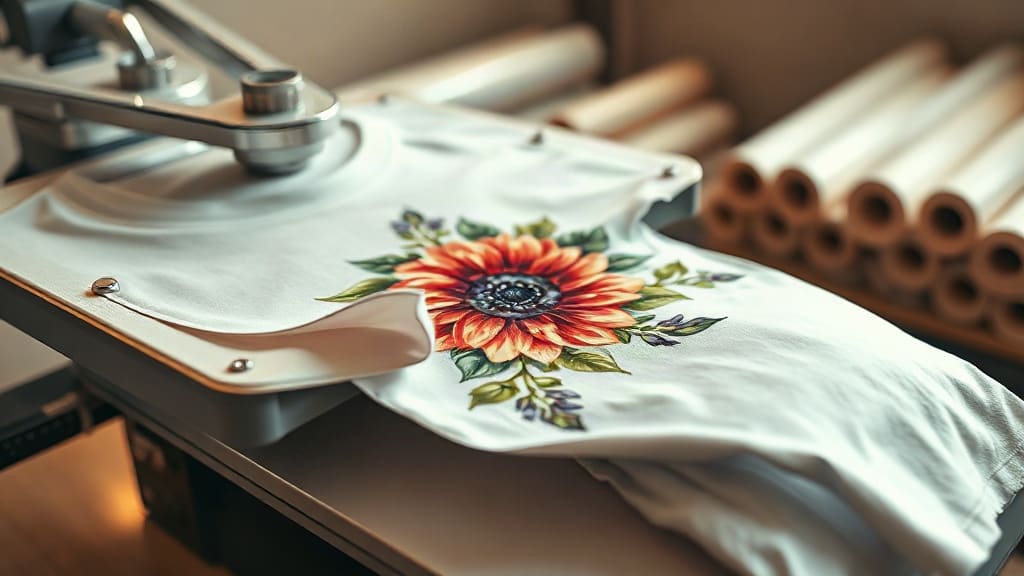
Imagine pressing a button and watching a vivid, full-color design materialize onto a t-shirt in minutes. That's the magic of DTF transfers. Unlike traditional methods that require weeding, masking, or specialized equipment, DTF (Direct to Film) transfers have opened a new world of possibilities for crafters, small businesses, and print shops alike. Whether you're just starting or looking to refine your skills, this guide will walk you through everything you need to know about DTF transfers: from the science behind the film to the art of application.
What Are DTF Transfers?
At their core, DTF transfers are printed designs on a special film that can be heat-pressed onto various fabrics. The process uses a DTF printer to print your artwork onto a PET film using pigment-based inks, followed by a dusting of hot-melt adhesive powder. When heat and pressure are applied, the adhesive melts, bonding the ink to the fabric. The result? A soft, stretchable, and incredibly durable print that can be applied to cotton, polyester, blends, and even treated nylon. The versatility is unmatched, and the colors pop with remarkable intensity.
Why Choose DTF Transfers Over Other Methods?
If you've dabbled in heat transfer vinyl (HTV) or screen printing, you know the limitations: HTV requires weeding and layering, while screen printing demands setup time and is cost-effective only for large runs. DTF transfers eliminate those hurdles. Here's why they're gaining massive popularity:
- No weeding or masking: Save hours of tedious work. Your design is printed and ready to press.
- Full-color and photographic detail: DTF printers can reproduce gradients, fine lines, and photorealistic images with ease.
- Works on almost any fabric: Cotton, polyester, blends, spandex, canvas, and more. Even dark garments don't require a white underbase.
- Durability: When applied correctly, DTF prints withstand dozens of washes without cracking, peeling, or fading.
- Cost-effective for small batches: No minimums, no screens, no setup fees. Print one or one hundred.
For a deeper dive into the technical differences, check out our DTF transfers guide on DTFProKit.com.
The DTF Printing Process: Step by Step
Understanding how DTF transfers are made helps you troubleshoot and optimize your own production. Here's a breakdown of the key stages:
1. Design Preparation
Your design should be in a high-resolution format (300 DPI or higher) with a transparent background. DTF printers use CMYK plus white ink, so any white areas in your design will be printed with white ink. If your design has white elements on a dark shirt, the white ink provides opacity. Always mirror your design horizontally before printing, as the film will be flipped when pressed.
2. Printing
A DTF printer lays down the color inks first, followed by a layer of white ink. The white ink acts as a base, ensuring the colors remain vibrant on dark fabrics. The printer uses a special film that is coated to accept the ink and later release it onto the fabric.
3. Powdering
While the ink is still wet, hot-melt adhesive powder is applied evenly over the printed area. The excess powder is shaken off, and the film goes through a curing oven or under a heat source to melt the powder into a gel-like layer. This adhesive is what bonds the print to the fabric.
4. Curing
Proper curing is critical. The film must be heated until the powder turns from a sandy texture to a smooth, slightly glossy finish. Under-curing leads to poor adhesion and wash-off; over-curing can cause the film to warp or the adhesive to lose its bonding properties. Follow your printer and powder manufacturer's recommendations for temperature and time.
Applying DTF Transfers: Techniques and Tips
Once you have your DTF transfer, the application is straightforward but requires attention to detail. Here's how to get professional results every time.
Choosing the Right Heat Press
A heat press is essential for consistent results. You can use a clamshell, swing-away, or even a mug press for small items. The key is even pressure and accurate temperature control. For DTF, a temperature range of 300°F to 325°F (150°C to 160°C) is typical, with medium to firm pressure.
Step-by-Step Application
- Preheat the garment: This removes moisture and wrinkles. Press for 5-10 seconds.
- Position the transfer: Place the DTF film on the garment with the printed side facing up. If your design is mirrored, it should read correctly now.
- Press: Apply heat and pressure for 10-15 seconds. For larger designs, you may need to press in sections to avoid cold spots.
- Peel: DTF transfers can be peeled hot or cold. Hot peel (immediately after pressing) is common and gives a slightly glossy finish. Cold peel (wait until it cools) can provide a matte look. Test both to see which you prefer.
- Post-press: For extra durability, cover the design with a Teflon sheet or parchment paper and press again for 5-10 seconds. This ensures the adhesive fully penetrates the fabric fibers.
Common Application Mistakes to Avoid
- Insufficient pressure: If the transfer doesn't adhere evenly, increase pressure. You should see the texture of the fabric through the film.
- Wrong temperature: Too low, and the adhesive won't melt; too high, and the film may scorch or the ink may bleed.
- Not preheating: Moisture in the fabric can create steam, leading to poor adhesion.
- Peeling too early or too late: Follow the recommended peel method for your film type. If unsure, test a small area.
Troubleshooting DTF Transfers
Even with experience, issues can arise. Here are quick fixes for common problems:
- Print cracking after wash: Usually due to under-curing of the powder or insufficient pressure during application. Re-cure the film longer or increase press pressure.
- Colors look dull: Ensure you're using the correct color profile and that the white ink layer is sufficient. Also, check that the fabric is not too dark for the ink coverage.
- Transfer won't stick: The adhesive powder may be expired or not cured properly. Try a new batch of powder and verify curing temperature.
- Film feels stiff: This can happen if too much powder is used. Shake off excess powder thoroughly before curing.
For more in-depth troubleshooting, visit our DTF transfers resource page.
DTF Transfers vs. Other Printing Methods
How does DTF stack up against DTG, screen printing, and sublimation? Here's a quick comparison:
- DTG (Direct to Garment): Best for 100% cotton, but requires pre-treatment and can be slow. DTF works on more fabrics and doesn't need pre-treatment.
- Screen Printing: Cost-effective for large orders but has setup costs and limited color gradients. DTF excels in small batches and complex designs.
- Sublimation: Only works on polyester and light-colored fabrics. DTF adheres to cotton and dark colors with ease.
Each method has its place, but DTF transfers offer a unique blend of versatility and quality that's hard to beat.
Frequently Asked Questions About DTF Transfers
How long do DTF transfers last?
When applied correctly, DTF transfers can last 50+ washes without significant fading or cracking. Proper curing and application are key. Always wash garments inside out in cold water and avoid harsh detergents.
Can I use DTF transfers on 100% polyester?
Yes, DTF transfers work on polyester, but you may need to adjust temperature and pressure to avoid scorching. Lower temperatures (around 280°F) and shorter press times are recommended for polyester.
Do I need a special printer for DTF transfers?
Yes, DTF requires a dedicated DTF printer that uses pigment inks and white ink. You can also buy pre-printed DTF transfers from suppliers if you don't want to invest in a printer.
What is the best way to store DTF transfers?
Store unused transfers in a cool, dry place away from direct sunlight. Keep them flat to prevent curling. Properly stored transfers can last several months.
Can I layer DTF transfers?
Yes, you can layer DTF transfers, but it's best to press each layer separately. Use a lower temperature for subsequent layers to avoid re-melting the previous layer.
DTF transfers are a game-changer for anyone in the custom apparel industry. With the right knowledge and tools, you can produce stunning, durable prints that impress your customers. For high-quality DTF supplies and more tips, explore our DTF transfers collection at DTFProKit.com. Happy printing!