
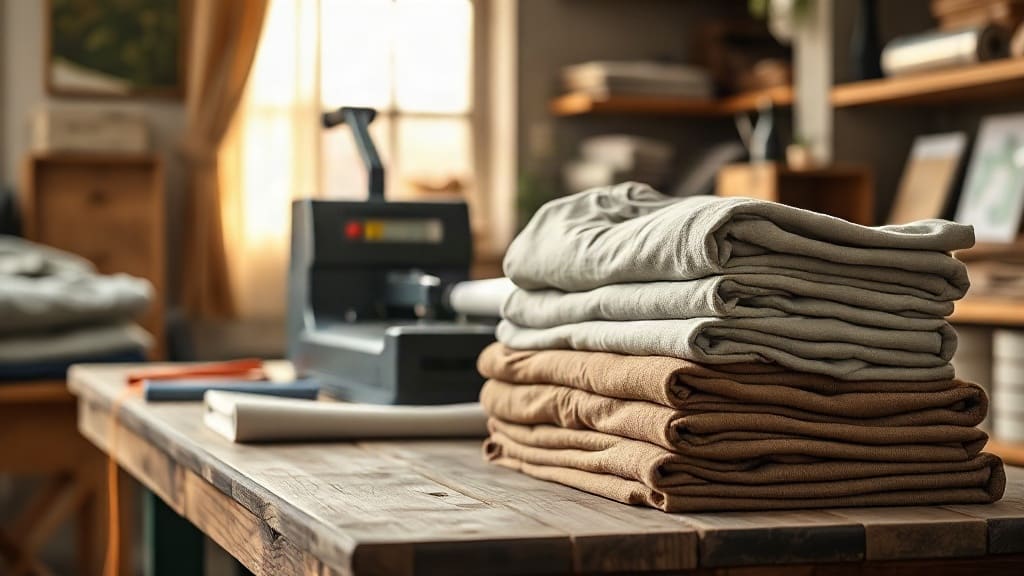
Walk into almost any custom apparel shop on the West Coast and you will eventually spot a stack of shaka wear tees tucked behind the heat press. They rarely get the loudest shelf space, but the people who print for a living tend to reach for them first. That quiet loyalty did not happen by accident. Shaka Wear built its name on heavyweight cotton blanks that behave predictably under a heat press, which matters far more than any logo on the neck label.
If you run a small brand, a print shop, or you are just getting into DTF transfers, understanding what makes these blanks different can save you a lot of wasted film and ruined shirts. This guide breaks down the fabric, the fit, the printing behavior, and the practical choices you need to make before your next order.
What Exactly Is Shaka Wear?
Shaka Wear is a Los Angeles based apparel label that started in the streetwear and skate scene. The brand grew out of the same Southern California culture that produced surf shops, lowrider clubs, and independent skate brands. Instead of chasing high fashion, it focused on basics: tees, hoodies, and crewnecks cut from heavier cotton than the average mall brand.
The result is a blank that feels substantial in the hand without costing boutique prices. For anyone printing DTF transfers, that combination is close to ideal. A heavier shirt holds its shape after repeated washes, and the surface stays flat enough for a transfer to bond evenly across the whole design.
Where the Brand Sits in the Market
Think of the positioning as mid-tier workwear meets streetwear. It is not a budget two dollar blank, and it is not a premium Japanese loopwheel shirt either. It sits in a practical middle ground where the fabric is thick enough to feel premium but the price still works for bulk orders and sample runs.
Why DTF Printers Gravitate Toward These Blanks
Direct to film printing is forgiving in some ways and unforgiving in others. The transfer itself can handle almost any color garment, which is a huge advantage over screen printing. But the bond between the adhesive powder and the fabric is only as good as the fabric surface.
Loose, fuzzy, low quality cotton creates problems. Fibers poke through the ink layer, edges lift after a few washes, and the print starts to crack around high stretch zones like the shoulders and chest. shaka wear tees tend to have a tighter, denser knit, which gives the adhesive something solid to grab onto.
Fabric Weight and What It Means for Transfers
Most of the core tees run in the heavier range, roughly comparable to a six ounce cotton. That weight matters for two reasons. First, a thicker fabric absorbs heat more gradually, so you get a more even press instead of a scorched patch in the middle and a cold edge. Second, the garment does not thin out and go translucent after a year of washing, which keeps the print looking clean.
Surface Texture
Heavy cotton is not automatically smooth. Some mills leave a noticeable ring spun texture that can telegraph through thin transfers. Shaka blanks generally land on the smoother side, especially the combed cotton options. Smooth surface plus consistent weave equals fewer pinholes and cleaner detail on fine lines and small text.
- Dense knit reduces fiber poke through
- Heavier weight handles higher press temperatures without scorching
- Consistent dye lots make reorders less of a gamble
- Boxy cuts leave room for large chest and back prints
Getting Your Press Settings Right
Every heat press behaves a little differently, and every DTF film brand has its own recommended range. Still, there are patterns worth knowing when you work with these garments.
Temperature and Time
Most DTF films call for somewhere between 300 and 325 degrees Fahrenheit for roughly 10 to 15 seconds during the initial press. Because heavyweight cotton takes longer to heat through, a slightly longer dwell time often produces a better bond than cranking the temperature higher. Overheating is the more common mistake, and it shows up as a shiny, plastic looking print or a scorched collar.
Pressure
Medium to firm pressure works well. Too little pressure and the adhesive never fully contacts the fabric weave. Too much and you flatten the print, which can make it feel stiff and crack along fold lines. If you are pressing a thick hoodie, a second short press after peeling the film can help the edges settle.
Peel Technique
Most modern DTF films are designed for a warm peel, but this varies by manufacturer. Test a scrap piece before committing to a full run. Peeling too cold can pull up fine details, and peeling too hot can stretch the transfer and distort the design.
Fit, Sizing, and Choosing the Right Style
Shaka Wear leans into a relaxed, boxy silhouette. That is good news for DTF because large prints need room to breathe. A design that looks cramped on a slim fit tee can look balanced and intentional on a boxy cut.
Sizing tends to run true to size with a roomier feel, but it is worth ordering one sample in each style you plan to sell. A crewneck sweatshirt and a basic tee from the same brand can fit differently, and your customers will notice if the size chart does not match reality.
Popular Options Worth Testing
- Classic heavyweight tee for everyday prints and bulk orders
- Long sleeve version for fall drops and layered looks
- Pullover hoodie for larger back prints and embroidery combos
- Crewneck sweatshirt for premium feeling limited runs
Wash Durability and Real World Performance
A printed shirt only proves itself after a few trips through the laundry. In practice, a properly pressed DTF transfer on a heavyweight cotton blank tends to survive dozens of wash cycles without major cracking, as long as the garment is washed inside out in cold water and dried on low heat.
The heavier fabric helps here too. Thin shirts stretch and distort, and that movement stresses the print. A denser knit moves less, so the transfer stays put. Customers who wear their shirts hard, skaters, warehouse workers, gym regulars, will notice the difference within a few months.
Common Failure Points to Watch
If a print does fail, the cause is usually one of four things: insufficient pressure, too short a press time, a fabric softener residue left on the shirt, or a cold peel when a warm peel was required. Pre pressing the garment for a few seconds to remove moisture and wrinkles solves a surprising number of these issues before they start.
Pairing Shaka Wear With a DTF Workflow
If you are building a small apparel operation, the smart move is to standardize. Pick two or three blank styles you trust, dial in your press settings for each one, and keep a written log of temperature, time, and pressure. That log becomes your most valuable asset because it turns a guessing game into a repeatable process.
Shaka Wear fits that workflow well because the blanks are consistent enough that your settings from last month still work this month. Consistency is boring, and boring is exactly what you want when you are printing fifty shirts the night before a market.
Frequently Asked Questions
Is Shaka Wear good for DTF printing?
Yes. The heavier cotton and tighter knit give DTF adhesive a solid surface to bond with, which reduces peeling and cracking compared to thinner, fuzzier blanks. Just confirm your press settings on a test shirt first.
What temperature should I use for DTF transfers on Shaka Wear tees?
Most films work well between 300 and 325 degrees Fahrenheit for 10 to 15 seconds. Because the fabric is heavy, a slightly longer press usually beats a hotter one. Always follow your film manufacturer's recommendation as a starting point.
Do Shaka Wear shirts run true to size?
They generally run true to size with a relaxed, boxy fit. Order one sample in each style before a large run, since tees, hoodies, and crewnecks can fit differently even within the same brand.
How long does a DTF print last on these blanks?
With a correct press and proper care, washing inside out in cold water and drying on low, a DTF print can hold up for dozens of wash cycles. Heat and harsh detergent are the main enemies, not the fabric itself.
Can I use Shaka Wear for a small clothing brand?
Absolutely. The blanks sit in a practical price range for small runs, and the heavyweight feel reads as premium to customers. Many independent streetwear labels use them as a base for limited drops.