
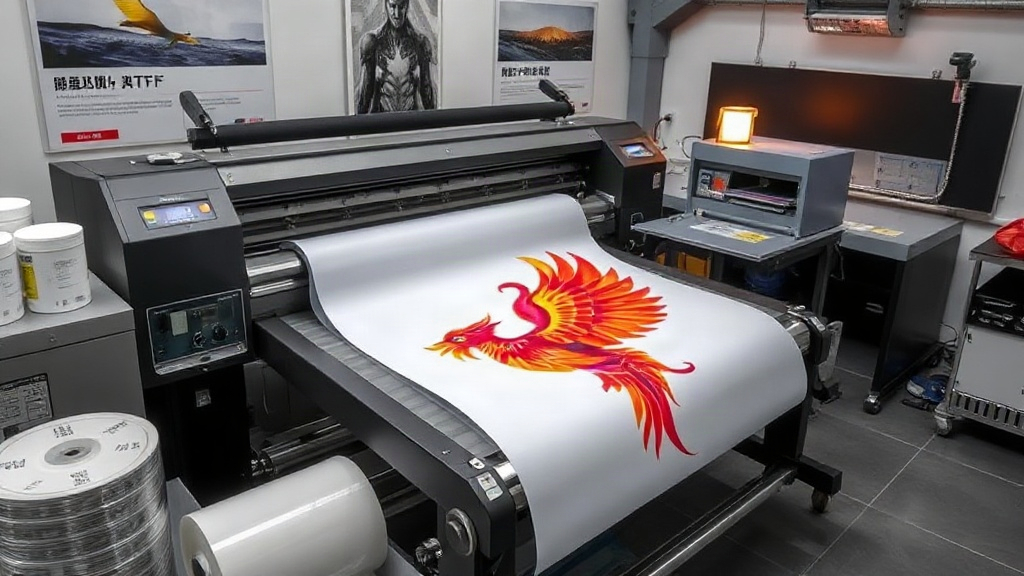
In the ever-evolving world of custom apparel printing, DTF transfers have emerged as a game-changer. Whether you're a seasoned printer or a hobbyist looking to start your own business, understanding this technology is crucial. This guide will walk you through the ins and outs of DTF transfers, from the basics to advanced tips, ensuring you have the knowledge to make informed decisions.
What Are DTF Transfers?
DTF stands for Direct to Film. It's a printing method where a special film is printed with a design using a DTF printer and then transferred onto a garment using a heat press. Unlike traditional heat transfer vinyl (HTV) or screen printing, DTF transfers allow for highly detailed, vibrant designs with no minimum order quantities. This makes them ideal for custom orders and small batches.
The Process Behind DTF Transfers
The process begins with printing the design onto a PET film using a DTF printer. The printer uses CMYK plus white ink, which is essential for printing on dark fabrics. After printing, a powder adhesive is applied to the wet ink while it's still tacky. The film is then cured to melt the adhesive into the ink. Once cured, the transfer is ready to be heat-pressed onto a garment. The beauty of this method is that you can produce multiple transfers at once and apply them whenever you need them.
Why Choose DTF Transfers Over Other Methods?
There are several reasons why DTF transfers have become so popular. Let's compare them with other common printing methods.
DTF vs. Screen Printing
Screen printing requires a setup for each color in the design, making it cost-prohibitive for small runs. DTF transfers have no setup costs, so you can print a single item at a competitive price. Additionally, DTF offers unlimited colors and gradients without extra cost.
DTF vs. HTV (Heat Transfer Vinyl)
HTV is limited to solid colors and simple designs. Cutting intricate designs from vinyl is time-consuming and can be challenging. DTF transfers handle complex, full-color graphics with ease, including photographic images. Plus, DTF transfers have a softer feel compared to HTV.
DTF vs. Sublimation
Sublimation works only on polyester-based fabrics and white or light-colored garments. DTF transfers work on a wide range of fabrics, including cotton, and can be applied to dark colors. This versatility gives DTF a significant advantage.
Benefits of Using DTF Transfers
Apart from versatility, DTF transfers offer several other benefits that make them a top choice.
- High Durability: DTF prints are long-lasting and can withstand repeated washing without fading or cracking.
- Soft Hand Feel: The adhesive layer is thin, so the print doesn't feel bulky on the garment.
- Stretchability: DTF transfers are flexible, making them perfect for activewear and stretchy fabrics.
- Eco-Friendly Options: Some DTF films and inks are environmentally friendly, catering to the growing demand for sustainable products.
- Cost-Effective: No minimum orders mean you can print one-off items without breaking the bank.
How to Apply DTF Transfers: A Step-by-Step Guide
Applying DTF transfers requires a heat press, but the process is straightforward. Here's a step-by-step guide to ensure perfect results.
- Pre-press the garment for a few seconds to remove moisture and wrinkles. This ensures better adhesion.
- Place the transfer on the garment with the film side up (the printed side facing down onto the fabric).
- Cover with a silicone sheet or Teflon to protect the transfer and press.
- Press at 320°F (160°C) for 15-20 seconds with medium pressure. The exact time may vary based on the film and ink brand.
- Peel the film while it's still hot (hot peel) or after it has cooled (cold peel), depending on the film's instructions. Most DTF films are hot peel.
- Cover the print with a parchment paper or Teflon sheet and press again for about 5 seconds to ensure full adhesion.
Common Mistakes to Avoid When Using DTF Transfers
Even experienced printers can run into issues. Here are some common pitfalls and how to avoid them.
Incorrect Pressure
Using too much or too little pressure can affect the transfer quality. Too little pressure results in poor adhesion, while too much can cause ink bleeding. Always follow the manufacturer's recommendations.
Peeling Too Early
If you peel the film too early, the adhesive may not have set properly. This can cause the design to lift or crack. Wait for the recommended time before peeling.
Not Pre-Pressing
Skipping the pre-press step can lead to moisture in the fabric, which prevents proper bonding. Always pre-press your garments.
Using the Wrong Side of the Film
Each film has a printable side and a non-printable side. Printing on the wrong side will result in poor ink adhesion and washing out. Check the film's label or test print to determine the correct side.
How to Make Your Own DTF Transfers
If you're looking to produce DTF transfers in-house, you'll need specific equipment. Here's what you need to get started.
Essential Equipment
To produce your own DTF transfers, you'll need:
- A DTF printer (such as the DTF Pro 30cm or similar)
- PET film
- DTF powder (adhesive powder)
- A heat source for curing (like a heat press or oven)
- CMYK + White ink system
The Production Process
Producing DTF transfers involves similar steps to the application but in reverse. After printing the design on film, you apply the powder adhesive. Then, you heat the film to melt the powder. The transfer is now ready to be stored and used later.
One advantage of making your own transfers is the ability to print on demand. You can print as many or as few as you need, reducing waste and inventory costs.
DTF Transfers: The Future of Custom Printing
The popularity of DTF transfers is on the rise, and for good reason. They offer a perfect blend of quality, versatility, and cost-effectiveness. Whether you're printing t-shirts, hoodies, or even tote bags, DTF transfers can handle it all.
As technology advances, we can expect even better quality and faster production times. For small businesses and entrepreneurs, this means more opportunities to offer custom products without a massive upfront investment.
Frequently Asked Questions
Can DTF transfers be used on any fabric?
Yes, DTF transfers work on most fabrics, including cotton, polyester, blends, and even some synthetic materials. However, for best results, it's recommended to use them on natural fabrics or blends with a high cotton content.
How do I choose the right DTF film?
When selecting a DTF film, consider the type of garments you'll be printing on. There are films designed specifically for light or dark fabrics. Also, check the film's compatibility with your printer and ink system.
What is the shelf life of DTF transfers?
Properly stored DTF transfers can last for months. Keep them in a cool, dry place away from direct sunlight. It's also best to keep them flat to avoid wrinkles.
Can I wash garments with DTF transfers?
Yes, DTF prints are durable and can be machine washed. However, to extend their lifespan, wash inside out in cold water and avoid using bleach or fabric softeners. Tumble dry on low heat or hang dry.
Are DTF transfers cost-effective for small orders?
Absolutely. Unlike screen printing, there are no setup costs, so you can print a single item profitably. This makes DTF ideal for small businesses and custom orders.
Final Thoughts
DTF transfers are transforming the custom printing industry. Their flexibility, ease of use, and high quality make them a favorite among printers and customers alike. Whether you're just starting or looking to upgrade your current setup, investing in DTF technology can open up new opportunities for your business.
We hope this guide has given you a comprehensive understanding of DTF transfers. If you're ready to dive in, explore our range of DTF printers and supplies at dtfprokit.com. Happy printing!