
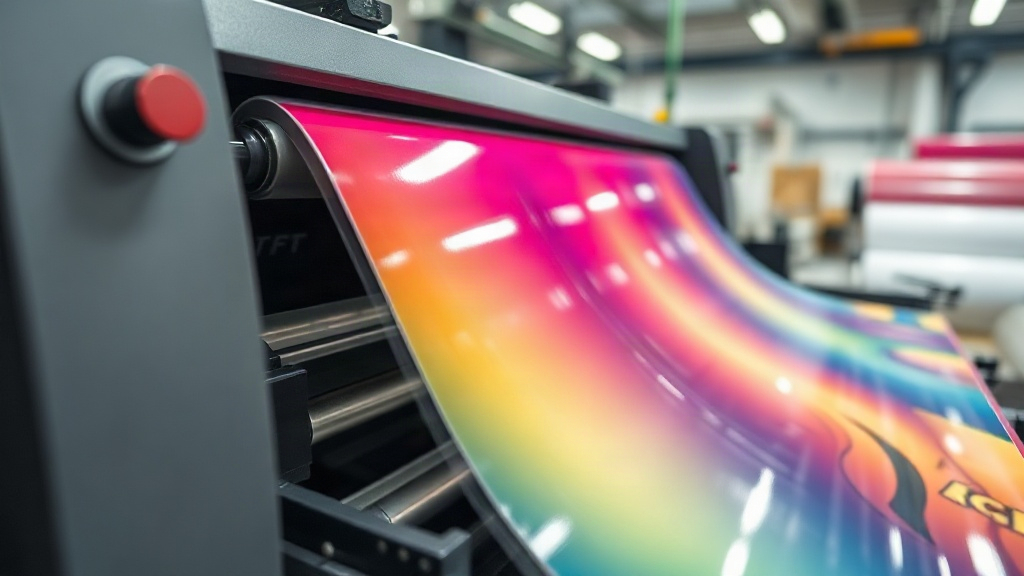
If you've been searching for dtf transfers near me, you're probably looking to produce custom apparel without the hassle of maintaining expensive equipment or dealing with long shipping times. The demand for Direct to Film (DTF) printing has skyrocketed because it offers vibrant colors, excellent durability, and versatility across many fabrics. But finding the right local provider can feel overwhelming, especially with so many options popping up. In this guide, I'll walk you through the key factors to consider, the questions to ask, and the red flags to avoid, so you can confidently choose a partner that delivers high-quality transfers every time.
Why Choose a Local DTF Transfer Provider?
Ordering from a local business has distinct advantages. First, you can often see and feel samples before committing to a bulk order. This is crucial because DTF quality varies widely. Second, local providers usually offer faster turnaround times, which is a lifesaver when you have a deadline. You can also build a working relationship, making it easier to communicate subtleties like color matching or design tweaks. And let's not forget supporting local economies; it's a win-win.
What to Look for in a DTF Transfer Service
Not all DTF transfers are created equal. Here are the critical aspects to evaluate:
Print Quality and Resolution
High-resolution printing ensures crisp details and smooth gradients. Ask about their printer's DPI (dots per inch) and whether they use a white ink layer, which is essential for printing on dark fabrics. A good provider will gladly show you samples on different shirt colors.
Adhesive Powder and Durability
The adhesive powder used in DTF must bond properly to the film and fabric. If applied incorrectly, your transfer may crack or peel after a few washes. Inquire about the powder's quality and whether they test their transfers for washability. Reputable providers often offer a wash test guarantee.
Film Type and Finishing
There are two main types of DTF film: cold peel and hot peel. Cold peel is more forgiving for beginners, while hot peel saves time. Also, check if they trim the film close to the design or leave excess. Trimming reduces the 'halo' effect and makes application easier.
Color Matching and Pantone Accuracy
If your brand requires exact colors, ask if they offer Pantone color matching. Some local shops use a RIP (Raster Image Processor) to control color profiles. Be wary of providers who rely solely on default settings; you might end up with off-brand colors.
Minimum Order Quantities (MOQs)
Whether you need a single transfer or a thousand, the provider's MOQ should align with your needs. Many local shops offer low MOQs, sometimes even as low as one piece, but at a higher per-unit cost. For small runs, this flexibility is invaluable.
Turnaround Time
Local doesn't always mean fast. Clarify their production schedule. Some shops work on a 24-hour rush service for an extra fee, while others have a 3-5 day standard turnaround. If you're on a strict timeline, ensure they can meet it.
How to Find DTF Transfer Providers Near You
Now that you know what to look for, here's how to find them:
- Search online using specific terms like 'DTF transfer printing near me' or 'custom DTF transfers [your city]'.
- Check local business directories and read reviews on Google Maps or Yelp.
- Ask in local printing or apparel Facebook groups; community recommendations are often gold.
- Visit local craft fairs or print expos, where vendors often showcase their services.
- Don't overlook nearby cities; a short drive can expand your options significantly.
Questions to Ask Before Placing an Order
To ensure you're getting a stellar product, ask these questions:
- Can I see a physical sample on a shirt? If they hesitate, that's a red flag.
- What is your wash test process? Do you guarantee no cracking or peeling for 50 washes?
- Do you use original inks and powders, or generic brands? High-quality consumables make a difference.
- Can you match a specific Pantone color? How many color variations do you offer?
- What is your policy on misprints or defects? Do you offer replacements?
- Do you provide a template or sizing guide for my artwork?
- What are your shipping or pickup options?
Comparing Prices: What's Fair?
Pricing for DTF transfers varies based on size, quantity, and complexity. As a rough benchmark, a standard 8x10 inch transfer might cost between $2 and $5 at low quantities. Larger sizes or more colors can increase the price. Remember, the cheapest option isn't always the best. Factor in quality and reliability. A slightly higher upfront cost can save you from wasting shirts and time on defective transfers.
Red Flags to Avoid
Be cautious if a provider:
- Cannot provide a physical sample before payment.
- Uses vague language like 'premium quality' without specifics.
- Has no online presence or verifiable reviews.
- Offers prices that seem too good to be true (they often are).
- Is unwilling to answer technical questions about their process.
Making the Most of Your DTF Transfers
Once you've found a reliable provider, here are tips to get the best results:
- Provide high-resolution files (300 DPI or higher) in PNG format with transparent backgrounds.
- Use a template to position your design accurately, especially for pocket prints or back prints.
- Choose the right film type based on your fabric and press equipment.
- Follow the provider's recommended pressing time, temperature, and pressure. Testing on a scrap shirt is always wise.
- Pre-press your shirt for a few seconds to remove moisture and wrinkles, ensuring better adhesion.
Frequently Asked Questions
Can I use DTF transfers on any fabric?
Yes, DTF transfers work on cotton, polyester, blends, and even nylon. However, for best results, avoid fabrics with heavy textures like thick fleece. Always test a sample first.
How many washes do DTF transfers last?
With proper application and care, a quality DTF transfer can last over 50 washes without cracking or fading. Remember to wash inside out in cold water and avoid tumble drying on high heat.
Do I need a heat press to apply DTF transfers?
Yes, you need a heat press with controlled temperature and pressure. A home iron is not recommended as it doesn't provide consistent pressure, leading to poor adhesion.
Can I order a single DTF transfer for a personal project?
Many local providers accept single-piece orders, but the cost per transfer will be higher than bulk orders. Check their MOQ policy.
What is the difference between DTF and screen printing?
DTF is more cost-effective for small quantities and allows for high-detail, full-color designs without setup fees. Screen printing is better for large orders of simple designs on light colors. DTF offers greater versatility.
Final Thoughts
Finding the best dtf transfers near me doesn't have to be a gamble. By understanding the technical aspects, asking the right questions, and doing a bit of research, you can secure a local partner that meets your needs and exceeds your expectations. Start with a small test order to evaluate quality, then scale up once you're satisfied. Your custom apparel projects deserve the best, and a trusted local provider can deliver just that.