
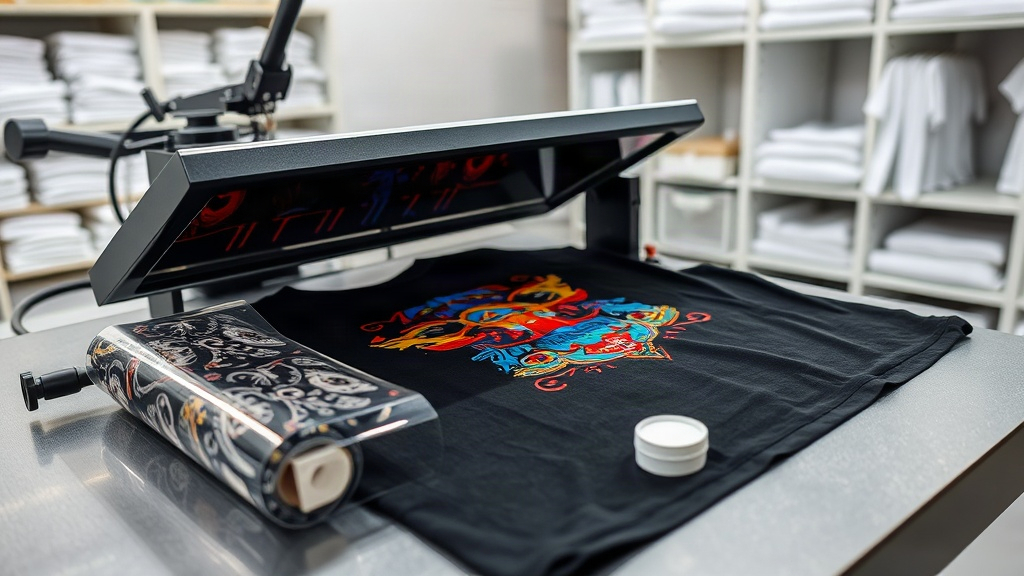
If you're in the custom apparel business or just starting out, you've likely heard about DTF transfers. This printing method has taken the industry by storm, offering vibrant colors, soft hand feel, and versatility that's hard to beat. But what exactly are DTF transfers, and how can you make the most of them? In this guide, I'll share my hands-on experience and break down everything you need to know, from the basics to advanced tips.
What Are DTF Transfers?
DTF stands for Direct to Film. It's a printing process where a design is printed onto a special film, coated with adhesive powder, and then heat-pressed onto fabric. Unlike direct-to-garment (DTG) printing, which prints directly onto the shirt, DTF transfers are created on a separate medium and then applied. This opens up a world of possibilities for customization.
How Do DTF Transfers Work?
The process is surprisingly straightforward:
- Print the design: Using a specialized printer, the design is printed in reverse onto a PET film with CMYK plus white ink. The white layer acts as a base for colors to pop, especially on dark fabrics.
- Apply adhesive: While the ink is still wet, a hot-melt adhesive powder is applied to the printed side. This powder is what enables the transfer to stick to the fabric permanently.
- Heat press: The film is placed on the garment, adhesive side down, and pressed with a heat press at around 160°C for 15-20 seconds. The heat activates the adhesive and bonds the design to the fabric.
- Peel: After pressing, you peel off the film, revealing your design with a soft, flexible finish.
This might sound simple, but the magic lies in the materials and technique. I've experimented with this process in my own setup, and the results are impressive when done correctly.
Why Choose DTF Transfers?
There are several reasons why DTF transfers have become a go-to for both small shops and large manufacturers:
- Versatility: DTF transfers work on a wide range of fabrics, including cotton, polyester, blends, and even nylon. This is a huge advantage over methods like sublimation, which only works on polyester.
- Vibrant colors: The white base ensures that colors stay true and bright, even on dark shirts.
- Soft hand feel: The final print has a thin, flexible layer that doesn't feel heavy or rubbery, making it comfortable to wear.
- Durability: DTF prints can withstand multiple washes without cracking or fading, as long as you follow proper care instructions.
- Ease of use: You can print transfers in advance and apply them when needed, making it perfect for on-demand orders or small batches.
DTF Transfers vs. Other Printing Methods
To truly understand the value of DTF transfers, let's compare them with other popular methods:
DTF vs. DTG
Direct-to-garment (DTG) printing is great for detailed designs with many colors, but it requires a large investment in equipment and only works on 100% cotton fabrics. DTF transfers, on the other hand, can be used on a variety of fabrics and allow you to print multiple designs at once, saving time on each garment.
DTF vs. Screen Printing
Screen printing is ideal for bulk orders but has a high setup cost and is not cost-effective for small quantities. With DTF transfers, you can produce a single custom shirt or a small batch without the need for screens. Plus, DTF offers a softer feel compared to traditional plastisol inks.
DTF vs. Vinyl
Heat transfer vinyl (HTV) is limited to solid colors and simple designs. DTF transfers can reproduce full-color graphics, gradients, and even photos with ease. Vinyl is also thicker and less breathable, making DTF a more comfortable option for everyday wear.
How to Use DTF Transfers: A Step-by-Step Guide
If you're ready to start using DTF transfers, here's a practical guide based on my experience:
1. Choose the Right Materials
Invest in high-quality transfer film and adhesive powder. The film should be compatible with your printer, and the powder should match the type of garment you're applying to. For light fabrics, a white toner is sufficient; for dark fabrics, you'll need a stronger adhesive.
2. Print Your Design
For best results, use a DTF printer with CMYK plus white ink. Ensure your design is mirrored (this is crucial). Print at a resolution of at least 600 dpi to get sharp details. I've found that using a color profile calibrated for DTF printing helps maintain color accuracy.
3. Apply the Adhesive Powder
After printing, dust the adhesive powder over the wet ink, making sure it covers the entire design. Use a sieve for even distribution. The powder should be slightly heated to melt and bond with the ink, but not so much that it cures. A quick pass under a heat source or a dedicated powder shaker can achieve this.
4. Cure or Store?
If you're using the transfer immediately, you can skip the curing step. However, if you want to store them, you need to completely cure the powder by heating it until it's fully melted and dry. This prevents the powder from sticking to the film during storage.
5. Heat Press Application
Set your heat press to the recommended temperature (usually around 160°C) and pressure (medium to firm). Place the transfer on the garment with the film side up. Press for 15-20 seconds, then peel the film while it's still hot or slightly warm, depending on the manufacturer's instructions. Some films require a cold peel, so check the product details.
6. Quality Check
Inspect the print for any missing areas or bubbles. If you see issues, you can re-press with a protective sheet to fix minor imperfections.
Caring for DTF Prints
To ensure your DTF transfers last, proper care is essential. Here are my top tips:
- Wash inside out: This reduces friction on the print.
- Use cold water: Hot water can degrade the adhesive over time.
- Avoid bleach: Bleach can cause the colors to fade.
- Tumble dry low: High heat can cause the transfer to crack or peel. Air drying is even better.
- Do not iron directly: If you need to iron, do it on the reverse side or use a pressing cloth.
Common Mistakes to Avoid
Even experienced printers make mistakes. Here are some pitfalls I've encountered and how to avoid them:
- Incorrect mirroring: Forgetting to mirror your design results in backward prints. Always double-check before printing.
- Too much or too little powder: Excess powder can cause a thick, stiff print; too little leads to peeling. Find the right balance by testing.
- Wrong temperature or time: Under-pressing results in weak adhesion, while over-pressing can scorch the fabric. Use a heat gun to verify the actual temperature.
- Ignoring humidity: Moisture in the air can affect the powder and film. Store materials in a dry environment.
Conclusion
DTF transfers have revolutionized the custom apparel industry, offering a flexible, cost-effective, and high-quality solution for printing on a variety of garments. Whether you're a hobbyist or a business owner, mastering this technique can open up new opportunities. From my own journey, I've learned that paying attention to the details, using quality materials, and practicing proper application techniques are the keys to success. So go ahead, experiment with DTF transfers, and see the amazing results for yourself!
Frequently Asked Questions
Can DTF transfers be used on any fabric?
Yes, DTF transfers work on a wide range of fabrics, including cotton, polyester, blends, and even nylon. However, the best results are achieved on fabrics that can withstand the heat press temperature, such as cotton and polyester. For very stretchy or delicate fabrics, you may need to adjust the pressure and time.
How many washes can DTF transfers withstand?
With proper care, DTF transfers can last for dozens of washes without significant fading or cracking. The key is to wash the garment inside out in cold water and avoid high heat drying. Using a mild detergent also helps preserve the print.
Do I need a special printer for DTF transfers?
Yes, you need a printer that can handle DTF inks, which typically include white ink. Many people use modified Epson or other inkjet printers with a DTF conversion kit. Alternatively, you can purchase a dedicated DTF printer that comes with the necessary features for printing on film.
Can I use DTF transfers on dark shirts?
Absolutely. One of the major benefits of DTF transfers is their ability to print on dark garments without needing a white underbase. The white ink in the transfer itself provides the opacity needed to make colors pop on dark fabrics.
What is the difference between DTF and sublimation?
Sublimation printing infuses ink into polyester fibers, resulting in a permanent bond that is part of the fabric. It only works on white or light-colored polyester garments. DTF transfers, on the other hand, use an adhesive layer to bond the print to the fabric, allowing use on a wider variety of materials and colors.