
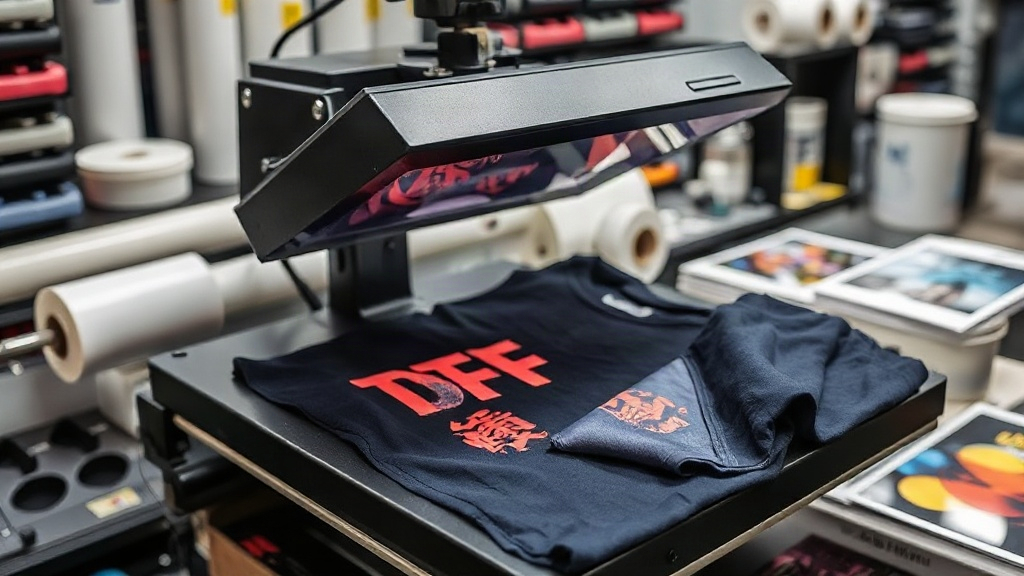
DTF transfers have revolutionized the custom printing industry, offering an accessible and efficient method for creating high-quality, vibrant designs on various fabrics. Whether you're a small business owner, a hobbyist, or a printing professional, understanding this technology can open up new opportunities for customization. In this guide, we'll explore what DTF transfers are, how they work, their advantages, and practical tips for achieving perfect results.
What Are DTF Transfers?
DTF (Direct to Film) transfers are a type of heat transfer printing where the design is first printed onto a special PET film using a DTF printer. The printed film is then coated with adhesive powder, and after curing, it becomes a transfer that can be applied to fabrics using a heat press. This process contrasts with traditional methods like screen printing or vinyl cutting, offering a more versatile and cost-effective solution, especially for small to medium runs.
How DTF Transfers Work: A Step-by-Step Overview
The DTF process involves several key steps:
- Printing: A specialized DTF printer prints the design in reverse onto a PET film using CMYK plus white ink. The white ink is crucial for creating a base layer that ensures the colors remain vibrant on dark or colored fabrics.
- Adhesive Application: After printing, a hot-melt adhesive powder is applied to the wet ink. This powder sticks to the ink and later becomes the bonding agent when heat is applied.
- Curing: The film is then passed through a curing oven or tunnel to melt the adhesive powder and fuse it with the ink. This creates a durable, flexible layer.
- Transfer: The cured transfer is placed on the fabric with the ink side down, and pressure and heat are applied using a heat press. The adhesive melts, bonding the design to the fabric.
- Peeling: After pressing, the film is peeled away, leaving the design on the fabric.
This method is prized for its simplicity and the ability to produce detailed, full-color prints with soft hand feel.
Why Choose DTF Transfers?
There are several compelling reasons to opt for DTF transfers over other printing methods:
- Versatility: DTF works on a wide range of fabrics, including cotton, polyester, blends, and even leather, making it a flexible choice for various products.
- Durability: The adhesive used in DTF transfers ensures excellent washability and resistance to cracking, making it suitable for garments that are frequently washed.
- No weeding: Unlike vinyl, DTF requires no weeding, saving time and effort.
- Soft hand feel: The prints are thin and flexible, providing a comfortable feel on fabric.
- High detail: DTF can reproduce intricate designs, gradients, and photos with accuracy, thanks to the use of white ink base.
- Economical for small runs: There are no setup costs like screens, making DTF ideal for low-quantity orders or personalized items.
DTF Transfers vs. Other Heat Transfer Methods
To appreciate DTF transfers, it's helpful to compare them with other common methods like screen printing, vinyl, and sublimation.
Screen Printing
Screen printing is a traditional method that involves creating stencils for each color. It's cost-effective for large runs but requires significant setup and is not practical for small orders or full-color designs without multiple screens. DTF, on the other hand, is digital and has no minimum order quantity.
Heat Transfer Vinyl (HTV)
HTV is great for simple designs and solid colors, but it requires weeding and cannot produce photographic quality. DTF offers full-color prints without the hassle of weeding.
Sublimation
Sublimation is excellent for polyester fabrics and yields vibrant prints, but it doesn't work on cotton. DTF works on both cotton and polyester, making it more versatile.
In summary, DTF transfers combine the best aspects of several methods, offering flexibility, quality, and ease of use.
Essential Equipment for DTF Transfers
To get started with DTF transfers, you'll need specific equipment:
- DTF Printer: This is an inkjet printer, often based on Epson or other models, that uses specialized DTF inks and white ink. It prints the design onto film.
- PET Film: Special film that the design is printed on. It has a coating that holds the ink.
- Adhesive Powder: Hot-melt adhesive that binds the design to the fabric.
- Heat Press or Curing Oven: For melting the adhesive powder and for final transfer.
- DTF Inks: Typically water-based or pigment inks, including white.
Investing in quality equipment is essential for consistent results. Many suppliers offer complete DTF starter kits that include all necessary components.
How to Apply DTF Transfers: Tips for Perfect Results
Applying DTF transfers correctly is crucial for a professional finish. Here are some practical tips:
- Pre-press the garment: Before applying the transfer, press the fabric for a few seconds to remove moisture and wrinkles. This helps the adhesive bond better.
- Set the right temperature and pressure: Typically, DTF transfers require around 160-180°C (320-360°F) for 10-20 seconds with medium to firm pressure. Always follow the manufacturer's recommendations.
- Use a Teflon sheet: Place a Teflon sheet between the heat press and the transfer to protect both.
- Peel while hot or cold? Some transfers require hot peeling, while others are cold peel. Check the instructions; most DTF transfers are hot peeled but some prefer cold peel for better adhesion.
- Use a cover sheet: If you're pressing multiple layers or using textured fabrics, a cover sheet can prevent unwanted impressions.
- Test on scrap fabric: Always do a test press on a similar fabric to ensure the settings are correct before applying to the final product.
Following these steps will help you achieve vibrant, durable prints every time.
Common Mistakes to Avoid with DTF Transfers
Even experienced printers can encounter issues with DTF. Here are some common pitfalls and how to avoid them:
- Poor adhesion: This often results from insufficient heat or pressure. Make sure your press is calibrated and you're using the correct time/temperature.
- Ink smearing: If the adhesive powder isn't applied correctly or the film isn't cured properly, the ink can smear. Ensure even powder application and proper curing.
- Peeling issues: If the film tears or leaves residue, it may be because the adhesive is too weak or the transfer wasn't pressed long enough.
- White ink problems: White ink is thick and can clog printheads. Regular maintenance and using quality inks are essential.
By understanding these issues, you can troubleshoot effectively and produce high-quality transfers consistently.
Applications of DTF Transfers
DTF transfers are incredibly versatile and can be used for a wide range of products:
- Custom t-shirts and apparel
- Sportswear and jerseys
- Tote bags and accessories
- Home textiles like pillows and aprons
- Workwear and uniforms
- Promotional items
Because DTF works on many materials, it's a favorite for businesses that offer personalized products.
Frequently Asked Questions about DTF Transfers
Can DTF transfers be used on dark fabrics?
Yes, that's one of the main advantages of DTF. The white ink base ensures that the design remains opaque and vibrant even on dark colors, unlike sublimation which only works on light polyester.
Are DTF transfers durable?
DTF transfers are known for their durability. When applied correctly, they can withstand repeated washing without cracking or fading. To ensure longevity, follow proper washing instructions, typically washing inside out in cold water.
What is the difference between DTF and sublimation?
Sublimation requires polyester or polymer-coated surfaces and the ink turns into gas under heat, bonding with the fabric. DTF uses a film with adhesive and works on any fabric, including cotton, making it more versatile.
How long do DTF transfers last?
With proper application and care, DTF transfers can last as long as the garment itself. The key is to use quality materials and follow the pressing instructions correctly.
Can I use DTF transfers for wholesale?
Absolutely. DTF is cost-effective for both small and large orders. Many businesses use DTF to produce transfers in bulk and then apply them on demand, making it a flexible solution.
Conclusion
DTF transfers are a game-changer in the custom printing world. They offer a perfect balance of quality, versatility, and affordability, making them accessible to everyone from hobbyists to large-scale manufacturers. By understanding the process, investing in the right equipment, and practicing proper techniques, you can produce stunning custom items that meet your customers' expectations. Whether you're starting a new business or looking to expand your services, DTF transfers are definitely worth considering.