
DTF transfers have taken the custom apparel world by storm, offering a flexible and vibrant alternative to traditional screen printing and vinyl. Whether you're a small business owner, a hobbyist, or just curious about the buzz, this guide will walk you through everything you need to know about DTF transfers, from how they work to tips for getting the best results.
What Are DTF Transfers?
DTF stands for Direct to Film, and it's a printing method where your design is printed onto a special film, coated with adhesive powder, and then heat-pressed onto a garment. Unlike heat transfer vinyl (HTV) where you cut out each design, DTF prints full-color images directly onto the film, which means you can reproduce intricate designs with gradients and photo-quality details effortlessly.
How DTF Transfers Work
Here's a quick breakdown of the process:
- Printing: The design is printed in reverse onto a PET film using specialized DTF printers and pigment inks.
- Powder application: A hot-melt adhesive powder is applied to the wet ink, and then the film is melted to cure the powder.
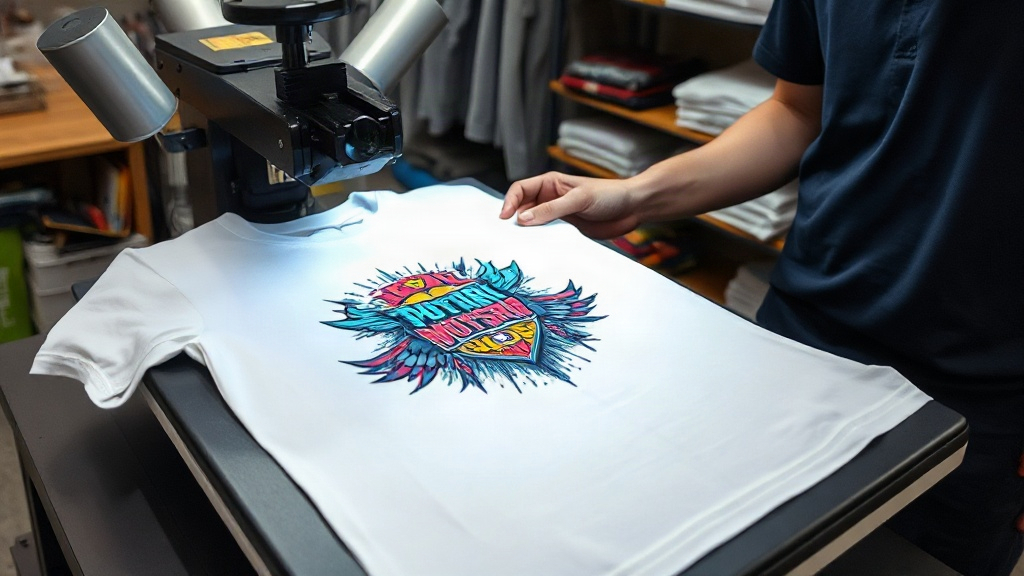
- Transfer: The film is placed on the garment, and heat and pressure are applied with a heat press.
- Peel: After cooling, the film is peeled away, leaving the design permanently bonded to the fabric.
Why Choose DTF Transfers?
There are many reasons why DTF has become a favorite among custom apparel makers:
- Colorful and detailed: Because the design is printed, you get unlimited colors without the need for separate screens or layers.
- Works on many fabrics: DTF transfers adhere well to cotton, polyester, blends, and even tricky materials like nylon.
- Soft hand feel: The prints are flexible and don't crack easily, providing a soft touch that rivals screen printing.
- Cost-effective for small batches: Unlike screen printing with high setup costs, DTF is perfect for low minimum orders.
- Easy to store: You can print and powder films in advance, storing them for later use without taking up much space.
DTF Transfers vs. Other Methods
To understand where DTF stands, let's compare it with other common heat transfer methods:
DTF vs. Screen Printing
Screen printing is cost-effective for large quantities but requires expensive setup and is limited in colors. DTF, on the other hand, shines in small to medium runs and offers unlimited colors with no setup fees. For one-off or small orders, DTF is often more practical.
DTF vs. HTV (Heat Transfer Vinyl)
HTV is great for simple designs and solid colors, but cutting and weeding take time. DTF eliminates weeding, allows full-color prints, and adheres better to stretchy fabrics. If you're doing complex logos or photos, DTF is superior.
DTF vs. DTG (Direct to Garment)
DTG prints directly onto the shirt, which is excellent for fabric-soft prints but slower and often requires pretreatment for darker garments. DTF transfers can be applied to dark fabrics without pretreatment, and you can print multiple designs on one film, making it more efficient for multiple orders.
How to Use DTF Transfers: A Step-by-Step Guide
If you're new to DTF, here's how to apply a transfer properly:
- Preheat your heat press to around 320°F (160°C).
- Place the garment on the press and pre-press for a few seconds to remove moisture and wrinkles.
- Position the DTF film on the garment with the printed side up (powder side down).
- Press with medium to firm pressure for 15-20 seconds.
- Let it cool slightly, then peel the film off slowly. For some films, you might need a hot peel or cold peel; follow the manufacturer's instructions.
- For best results, press again with a protective sheet for a few seconds to ensure full adhesion.
Tips for Perfect DTF Prints
- Use a high-quality heat press with even pressure.
- Always do a test press on a scrap garment to adjust time and temperature.
- For stretchy fabrics, use a transfer with good elasticity and press slightly cooler to avoid over-melting the adhesive.
- When printing on dark garments, make sure the film has a white underbase to make colors pop.
Common Mistakes to Avoid
Even experienced printers can run into issues. Here are some common pitfalls:
- Incorrect temperature or pressure: Too low means the adhesive won't bond; too high can scorch the fabric or melt the film.
- Peeling too fast: Always follow the recommended peel method to avoid lifting the design.
- Not using enough adhesive powder: This can lead to poor adhesion and cracking.
- Storing prints improperly: Keep films flat and away from heat and humidity to prevent curling or sticking.
Cost and Equipment for DTF Transfers
Starting with DTF can be affordable, but costs depend on your scale. For a small startup, you might buy pre-printed transfers from a supplier, which range from $5 to $15 each. If you plan to print in-house, you'll need a DTF printer (like an Epson converted) and a heat press. A basic setup can cost between $1,000 and $3,000, but the per-print cost drops significantly when you produce your own.
Where to Buy DTF Transfers
If you're not ready to invest in equipment, many online printing services offer custom DTF transfers. Simply upload your design, choose the size and quantity, and they'll ship ready-to-press films to your door. This is a great way to test the waters without a huge upfront investment.
Design Considerations for DTF Transfers
When creating designs for DTF, keep these in mind:
- Use high-resolution images (300 DPI) to ensure crisp details.
- Avoid very thin lines and small text that might not transfer well; a minimum stroke of 0.5mm is safe.
- Remember that your design will be mirrored on the film, but most software automatically flips it.
- Consider the garment color; for dark shirts, your design needs a white underbase, which is automatically added by the printer.
Frequently Asked Questions
Can DTF transfers be used on any fabric?
Yes, DTF transfers work on a wide range of fabrics, including cotton, polyester, blends, and even some synthetic materials like nylon. They are particularly great for stretchy fabrics because the adhesive remains flexible.
How many washes can a DTF transfer withstand?
With proper application and care, DTF transfers can last for many washes, typically 50 or more. To extend the life, wash garments inside out in cold water and avoid using bleach or fabric softeners.
Are DTF transfers eco-friendly?
DTF printing uses water-based inks and produces less waste compared to screen printing, since there are no screens to clean. However, the film and powder are plastic-based, so recycling options are limited. Some companies offer more sustainable film options, but it's a consideration.
Can I use DTF transfers on mugs or other hard surfaces?
No, DTF transfers are designed for fabrics and textiles. For hard surfaces like mugs, you'd need sublimation or other specific transfers.
What is the difference between DTF and sublimation?
Sublimation requires polyester or polymer-coated materials and the ink becomes part of the fabric. DTF can be used on cotton and other natural fibers, making it more versatile. Sublimation is better for all-over prints on performance wear, while DTF is ideal for detailed designs on a variety of garments.
Final Thoughts
DTF transfers are a fantastic option for anyone looking to create high-quality, vibrant custom apparel without the hassle of traditional methods. Their versatility, ease of use, and excellent results make them a smart investment. Whether you're just starting or looking to expand your product offerings, DTF is definitely worth exploring. So, grab your designs, and start pressing!