
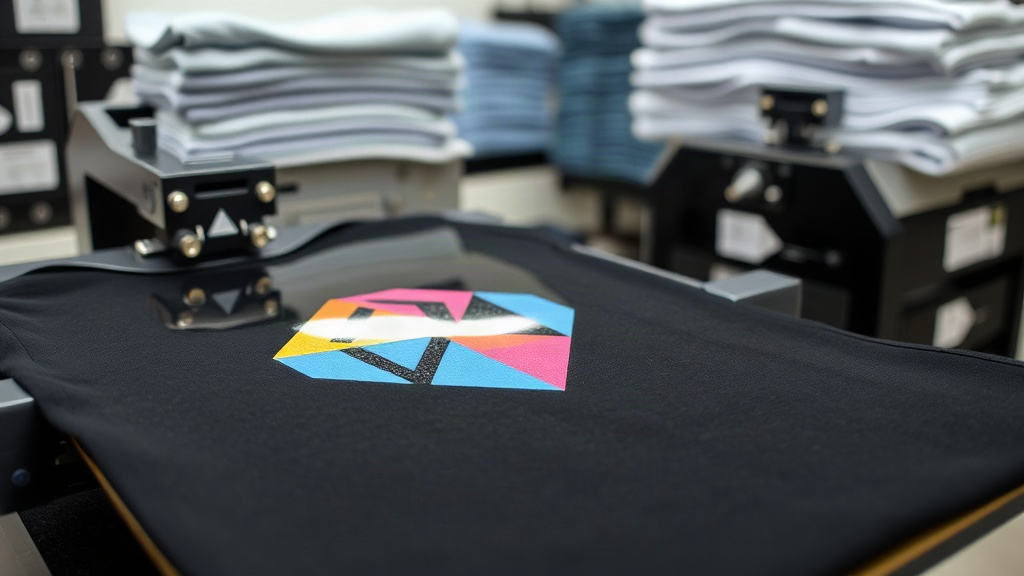
DTF transfers have revolutionized the custom printing industry, offering a versatile and cost-effective way to create vibrant designs on various fabrics. Whether you're a small business owner or a DIY enthusiast, understanding this technology can elevate your projects. In this guide, we'll explore what DTF transfers are, how they work, and how you can get the best results.
What Are DTF Transfers?
DTF stands for Direct to Film. It's a printing method where a design is printed onto a special PET film, coated with adhesive powder, and then heat-pressed onto a substrate, typically fabric. Unlike direct-to-garment (DTG) printing, DTF transfers are printed on film first, which allows for greater flexibility in production.
The process is simple: you print the design with a DTF printer, apply adhesive powder to the wet ink, cure the powder, and then transfer the design to your garment using a heat press. This method is popular because it works on various materials, including cotton, polyester, blends, and even leather.
Why Choose DTF Transfers?
There are several reasons why DTF transfers are becoming the go-to choice for many businesses:
- Versatility: They adhere to many fabric types without the need for pre-treatment, unlike DTG printing.
- Durability: Prints resist cracking and fading, even after multiple washes.
- Soft Hand Feel: The ink and adhesive create a soft texture that doesn't compromise comfort.
- Vibrant Colors: DTF prints are known for their sharp, saturated colors and fine details.
- Cost-Effective: For small to medium runs, DTF is often cheaper than screen printing because there's no setup cost.
How Do DTF Transfers Work?
To understand DTF, let's break down the process step by step:
- Design Preparation: Create your artwork using graphic software. Ensure it's high-resolution and in the correct color mode (CMYK or RGB).
- Printing: A DTF printer prints the design onto a special PET film using DTF inks. These inks are often water-based and pigment-based for durability.
- Adhesive Powder Application: While the ink is still wet, you sprinkle hot-melt adhesive powder over the printed film. The powder sticks only to the ink.
- Curing: The film is heated to melt the adhesive powder, creating a tacky surface that will bond to the fabric.
- Heat Press Transfer: Place the film on your garment, ink side down, and apply heat and pressure with a heat press. Peel the film away to reveal the transferred design.
This process may vary slightly depending on your equipment, but these are the core steps.
Choosing the Right DTF Equipment
To get started with DTF transfers, you'll need specific equipment. Here's what you need:
- DTF Printer: You can convert a standard inkjet printer or buy a dedicated DTF printer. Look for one with white ink capability, as white is often used as an underbase for vibrant prints.
- PET Film: Use high-quality DTF film designed for your printer type. Some films are for water-based inks, others for pigment inks.
- Adhesive Powder: Hot-melt adhesive powder comes in various particle sizes. Choose one that suits your needs; finer powder gives a softer hand feel.
- Heat Press: A heat press with a clamshell or swing-away design is essential for consistent pressure and temperature.
- Curing Oven: Some setups use a curing oven to melt the adhesive powder, but a heat press can also be used for this.
Tips for Perfect DTF Transfers
Getting professional results requires attention to detail. Here are some practical tips:
- Calibrate Your Printer: Regularly run nozzle checks and clean the printhead to ensure consistent ink flow.
- Use Quality Materials: Invest in good film, ink, and adhesive powder. Cheap materials can lead to poor adhesion and fading.
- Optimize Print Settings: Adjust your printer settings for the correct ink density. Too much ink can cause bleeding, while too little results in dull colors.
- Apply Pressure Correctly: Different fabrics require different pressure settings. Test on scrap fabric to find the right combination.
- Peel Hot or Cold? Some films require hot peeling, others cold. Follow the manufacturer's instructions for best results.
- Pre-Press Your Garment: Pre-press your garment for a few seconds to remove wrinkles and moisture, which can affect transfer quality.
Common Mistakes to Avoid
Even seasoned printers can make errors. Here are common pitfalls:
- Skipping Pre-Tests: Always test on a sample fabric before committing to a full run.
- Incorrect Powder Application: Ensure the powder covers all inked areas evenly. Excess powder can cause a rough texture, while too little can result in peeling.
- Improper Curing: If the adhesive powder isn't fully melted, the transfer won't bond properly. Use the right temperature and time.
- Using the Wrong Film: Make sure your film is compatible with your ink type and printer model.
- Not Storing Supplies Correctly: Keep film and powder in a cool, dry place to prevent moisture absorption.
DTF Transfers vs. Other Printing Methods
To appreciate DTF, it's helpful to compare it with other popular techniques:
DTG Printing: Direct-to-garment prints directly onto the fabric, but it requires pre-treatment for cotton. DTF transfers don't need pre-treatment and can be used on more fabric types.
Screen Printing: This method is cost-effective for large runs but has a high setup cost. DTF is better for low-volume orders and offers more detail without the setup.
Vinyl Cutting: Heat transfer vinyl (HTV) is great for simple designs and one-off items, but DTF can reproduce complex, multi-colored images with ease.
Cost Considerations
Starting a DTF business requires an initial investment, but the ongoing costs can be manageable. Here's what to consider:
- Initial Setup: A basic DTF printer setup can cost between $2,000 and $8,000, depending on the quality and features.
- Consumables: Film, ink, and adhesive powder are recurring costs. You can save money by buying in bulk.
- Maintenance: Regular cleaning and replacing parts like printheads add to the cost.
- Labor: The process requires time and skill, so factor in labor costs if you're hiring.
However, for small orders, DTF transfers often offer a lower cost per unit than other methods, making it a smart choice for startups.
Applications of DTF Transfers
The versatility of DTF makes it suitable for a wide range of products:
- Apparel: T-shirts, hoodies, sweatshirts, and leggings.
- Bags: Tote bags, backpacks, and drawstring bags.
- Accessories: Hats, socks, and even shoes.
- Home Textiles: Pillowcases, curtains, and tablecloths.
How to Source DTF Transfers
If you don't want to invest in equipment, you can outsource your DTF transfers. Many companies offer custom DTF transfer services where you send your design, and they ship you ready-to-press transfers. This option is excellent for testing the waters or handling occasional orders.
Frequently Asked Questions
How long do DTF transfers last?
With proper application and care, DTF transfers can withstand 50+ washes without significant fading or cracking. To extend their life, wash the garment inside out in cold water and avoid ironing directly on the print.
Can I use DTF transfers on dark fabrics?
Yes, DTF transfers are ideal for dark fabrics. The white ink underbase ensures that colors remain vibrant and opaque, even on black or navy garments.
What is the ideal temperature and time for pressing DTF transfers?
Typically, you'll press at 320-340°F (160-171°C) for 10-15 seconds with medium pressure. However, always follow the film and adhesive powder manufacturer's guidelines for best results.
Do I need a special printer for DTF transfers?
Yes, you need a printer that can handle DTF inks and white ink. Many users convert EPSON printers, but it's crucial to have a printer that supports a white ink circulation system to prevent clogging.
Can I use a regular heat press or do I need a special one?
You can use a standard heat press as long as it provides consistent pressure and temperature. Some people use a clamshell or swing-away press successfully. Just ensure it's large enough for your transfers.
Final Thoughts
DTF transfers offer an accessible and efficient way to create custom prints. Whether you're starting a business or looking to expand your product line, mastering this technique can open up new opportunities. With the right equipment and a bit of practice, you'll be producing high-quality transfers that impress your customers.