
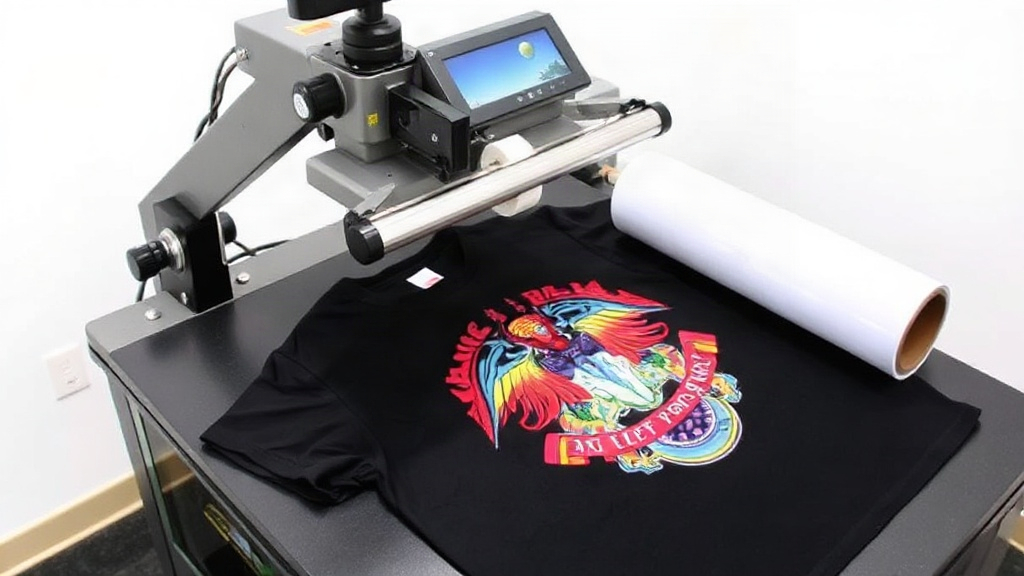
If you're in the custom printing business or just starting out, you've likely heard about DTF (Direct to Film) transfers. This technology has taken the apparel decoration world by storm, offering a versatile and cost-effective way to create vibrant, durable designs on a wide range of fabrics. Whether you're a hobbyist or a professional, understanding DTF transfers can open up new possibilities for your projects. In this comprehensive guide, we'll dive deep into what DTF is, how it works, and why it might be the perfect solution for your printing needs. We'll also share tips on finding reliable DTF transfers near me and answer common questions to help you make informed decisions.
What Are DTF Transfers?
Direct to Film (DTF) is a printing method where a design is printed onto a special film, coated with adhesive powder, and then heat-pressed onto a garment or other substrate. Unlike traditional screen printing or heat transfer vinyl, DTF allows for highly detailed, full-color prints with a soft hand feel. The process involves a printer that uses CMYK plus white ink to print the design on a PET film. After printing, an adhesive powder is applied to the wet ink, and the film is cured to activate the adhesive. The final step is transferring the design onto the fabric using a heat press.
One of the biggest advantages of DTF is its versatility. It works on cotton, polyester, blends, and even materials like nylon and leather. This makes it a go-to choice for custom apparel, accessories, and promotional items. Additionally, DTF transfers can be stored for later use, making them ideal for on-demand printing or bulk orders.
Why Choose DTF Over Other Methods?
There are several reasons why DTF has become so popular. First, it offers excellent color vibrancy and detail. The white ink layer allows designs to pop on dark fabrics without the need for a separate underbase. Second, DTF prints are stretchable and durable, able to withstand multiple washes without cracking or fading. Third, the setup is relatively simple compared to screen printing, which requires screens and setup time. With DTF, you can produce a single item or a large batch with equal ease.
Another advantage is the ability to print on demand. Instead of pre-printing a bunch of shirts and hoping they sell, you can create transfers and press them only when an order comes in. This reduces inventory costs and waste. For small businesses and print shops, DTF is a game-changer because it lowers the barrier to entry and allows for quick turnaround times.
How Do DTF Transfers Work?
To understand the full potential of DTF, it's helpful to know the steps involved:
- Design Creation: You start with a digital design that is optimized for printing. Ensure that the design has a resolution of at least 300 DPI for crisp results.
- Printing: The design is printed onto a special DTF film using a DTF printer equipped with CMYK and white ink. The white ink is printed as a base layer to make the design opaque.
- Powder Application: While the ink is still wet, a thermoplastic adhesive powder is applied over the printed area. This powder sticks to the ink and will later bond with the fabric.
- Drying/Curing: The film is passed through a dryer or heat tunnel to melt the powder and create a solid adhesive layer. This step also dries the ink.
- Transfer: The film is placed on the garment (with the design facing down) and pressed using a heat press at a specific temperature and pressure for a set time. The heat activates the adhesive, and the design transfers onto the fabric.
- Peeling: After pressing, the film is peeled off, leaving the design on the garment. It's essential to peel while the film is still warm to ensure a clean release.
The entire process is efficient and can be mastered with a bit of practice. For those who prefer not to invest in expensive equipment, many companies offer pre-made DTF transfers that you can purchase and simply heat press onto garments.
Benefits of Using Pre-Made DTF Transfers
If you don't have a DTF printer, you can still take advantage of this technology by buying ready-made transfers. This is especially popular for small businesses, crafters, and print-on-demand sellers. When you buy pre-made transfers, you receive printed films with adhesive already applied. All you need is a heat press and the garment to complete the application.
Using pre-made transfers saves time and money because there's no need to invest in a printer, inks, and film. It also eliminates the learning curve of mastering print settings and powder application. Many suppliers offer custom transfer services where you can send your design and receive high-quality transfers in a few days. This is a perfect option for those who need small quantities or want to test new designs without committing to large production runs.
Another benefit is consistency. Professional DTF transfer providers have optimized their processes to ensure every transfer is produced with the right ink density, powder coverage, and curing. This results in consistent quality across all your orders, which is vital for maintaining your brand's reputation.
How to Apply DTF Transfers
Applying a DTF transfer is straightforward, but following the correct steps is crucial for a successful outcome. Here's a quick guide:
- Preheat your heat press to the recommended temperature, typically around 320°F to 350°F (160°C to 175°C).
- Place the garment on the press and press it for a few seconds to remove wrinkles and moisture.
- Position the DTF transfer film on the garment with the design facing up (the side with the design is usually covered by a protective sheet).
- Press with firm pressure for 10-15 seconds, depending on the fabric and transfer specifications.
- Remove the garment from the press and let it cool for a few seconds.
- Carefully peel the film off. Some films require hot peeling, while others are cold peel. Check the instructions provided by the transfer manufacturer.
- For best results, do a final press with a Teflon sheet over the design to ensure the adhesive is fully bonded.
It's always a good idea to test on a sample fabric first to dial in the perfect time and temperature.
Applications of DTF Transfers
DTF transfers can be used on a wide range of products, making them an incredibly versatile option. Here are just a few examples:
- Apparel: T-shirts, hoodies, sweatshirts, tank tops, and more.
- Accessories: Caps, tote bags, backpacks, and even shoes.
- Home textiles: Pillows, aprons, and curtains.
- Promotional products: Mousepads, drinkware (with special coatings), and banners.
Because DTF prints are durable and flexible, they are suitable for items that undergo stretching and washing. For instance, sportswear and activewear benefit from DTF's ability to move with the fabric without cracking.
Finding the Best DTF Transfers Provider
When searching for DTF transfers near me, you want to ensure you're getting high-quality products and reliable service. Here are some factors to consider:
Quality of Transfers
The quality of the transfer depends on the printer, inks, film, and adhesive powder used. Look for providers who use genuine DTF inks and films from reputable suppliers. High-quality transfers should have vibrant colors, sharp details, and a soft hand feel. Ask for samples before placing a large order to evaluate the print quality yourself.
Customization Options
Whether you need a single design or multiple designs, the provider should offer flexible customization. Some companies have minimum order quantities, so if you're just starting, look for those with low MOQs or even no MOQ.
Turnaround Time
Time is money. A reliable provider should offer reasonable production and shipping times. If you need transfers urgently, check if they have expedited options.
Pricing
Compare prices among different providers, but don't sacrifice quality for a lower cost. Keep in mind that cheaper transfers might not perform as well, leading to returns or unhappy customers. Look for transparent pricing and consider factors like shipping costs and volume discounts.
Customer Reviews and Reputation
Search for reviews online or ask for references. A provider with a strong reputation is more likely to deliver on their promises. Social media groups and forums can be excellent resources for recommendations.
Customer Support
Good communication is essential. Choose a provider that is responsive and helpful. They should be able to answer your questions about application, storage, and troubleshooting.
By taking the time to research, you can find a partner that meets your needs and helps you grow your business.
Common Mistakes to Avoid with DTF Transfers
Even with high-quality transfers, mistakes can happen during application. Here are some common pitfalls and how to avoid them:
- Incorrect temperature or pressure: Not following the manufacturer's guidelines can result in incomplete transfer or adhesive failure. Always use a heat press with precise controls.
- Peeling too soon or too late: Check if the transfer requires hot or cold peel. Peeling at the wrong time can cause the design to stick to the film or leave a hazy residue.
- Not pre-pressing the garment: Moisture in the fabric can cause the design to not adhere properly. Always pre-press to remove any moisture.
- Using a low-quality film: Some films may not release properly or may curl during pressing. Stick to trusted brands.
- Storing transfers improperly: Keep transfers in a cool, dry place away from direct sunlight. Exposure to heat and humidity can degrade the adhesive.
By being mindful of these factors, you can ensure a smooth process and professional results every time.
DIY vs. Professional DTF Printing
You might be wondering whether to invest in your own DTF printer or outsource the production. Both options have their pros and cons. If you have a high volume of orders, having an in-house DTF printer can be cost-effective in the long run. However, the initial investment can be significant, including the printer, inks, powder, film, and a heat press if you don't already have one. You'll also need to learn the technical aspects of color management and maintenance.
On the other hand, using a professional service eliminates the upfront costs and allows you to focus on marketing and sales. It's particularly beneficial for businesses that are just starting or those with fluctuating order volumes. You can always scale up later if needed.
Many successful print shops use a hybrid approach: they produce simple designs in-house and outsource more complex or large orders. This flexibility helps optimize both time and resources.
Environmental Considerations
As sustainability becomes increasingly important, it's worth noting that DTF printing has some environmental impacts. The PET film used is a plastic that, if not disposed of properly, can contribute to waste. However, many suppliers are now using recyclable films or offer recycling programs. Additionally, DTF reduces water usage compared to screen printing, which is a significant environmental benefit. When choosing a provider, ask about their sustainability practices.
Conclusion
DTF transfers have revolutionized the custom printing industry, offering a perfect balance of quality, versatility, and ease of use. Whether you're looking to start a side hustle or streamline your existing print shop, DTF is a technology worth exploring. By understanding the process, benefits, and best practices, you can produce stunning products that delight your customers. And when you need transfers, remember to look for reliable providers near you that offer exceptional quality and service. With the right approach, DTF can take your creativity to the next level.
Frequently Asked Questions
How long do DTF transfers last on garments?
DTF transfers are designed to be highly durable. When applied correctly, they can withstand numerous washes without cracking, peeling, or fading. The longevity depends on factors such as fabric type, washing conditions, and the quality of the transfer. On average, DTF prints can last as long as the garment itself if proper care is taken (e.g., washing inside out in cold water and avoiding high heat drying).
Can I use DTF transfers on dark-colored shirts?
Absolutely! One of the major advantages of DTF is its ability to print on dark fabrics. The white ink layer acts as an underbase, ensuring that the colors remain vibrant and opaque. This makes DTF a preferred choice for printing on black or dark navy garments without additional steps.
What is the difference between DTF and sublimation?
Sublimation is a process that infuses dye into polyester fabrics or specially coated items. It works best on light-colored, high-polyester materials and cannot be used on cotton. DTF, on the other hand, can print on a wide range of fabrics including cotton, polyester, and blends. Additionally, DTF prints have a softer feel compared to some sublimation prints, making them more comfortable for apparel. If you need to print on cotton, DTF is the superior choice.
Do I need a special printer for DTF transfers?
Yes, DTF printing requires a printer that can handle white ink and has a robust ink delivery system. Standard inkjet printers are not suitable because they cannot print white ink. You can either invest in a dedicated DTF printer or use a conversion kit for certain models. Many manufacturers offer all-in-one DTF solutions that include the printer, powder shaker, and curing unit.
How do I find DTF transfers near me?
To find local DTF transfer providers, you can search online using keywords like DTF transfers near me. Check local business directories, social media, and even ask for recommendations from other print shop owners. You can also look for online suppliers that offer fast shipping. When choosing a provider, read reviews and request samples to ensure they meet your standards.