
In the ever-evolving world of custom printing, a new technology has taken the industry by storm: DTF, or Direct to Film. If you've been searching for a way to create vibrant, durable prints on a variety of fabrics, you've likely heard of DTF and DTF transfers. But what exactly are they, and why are they becoming the go-to choice for both hobbyists and large-scale businesses? In this comprehensive guide, we'll dive deep into everything you need to know about DTF transfers, from the printing process to finding the best DTF transfers near me. Whether you're a seasoned printer or just starting, this article will equip you with the knowledge to make informed decisions and elevate your printing game.
What Are DTF Transfers?
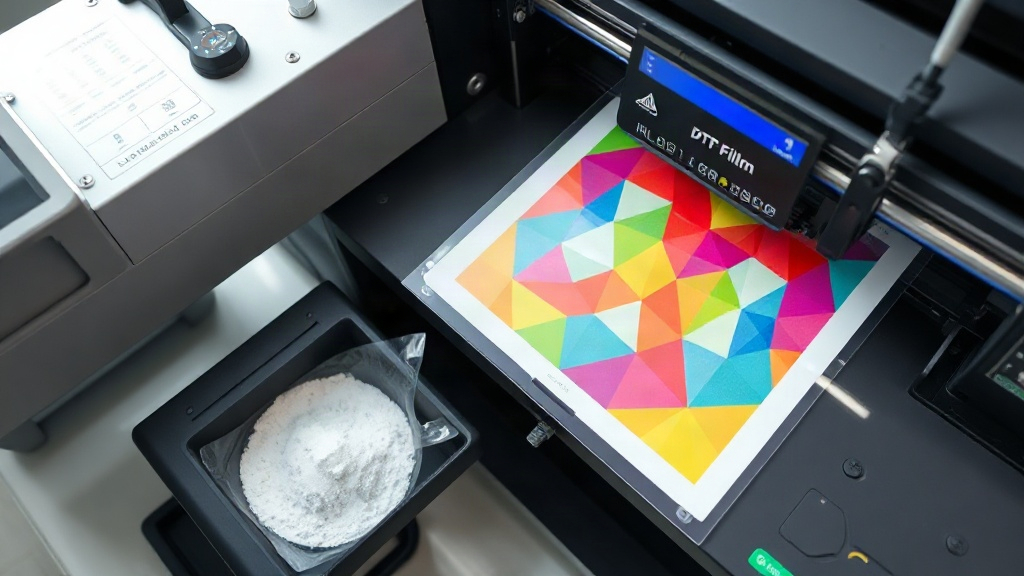
DTF transfers are a relatively new printing method that involves printing a design onto a special PET film, dusting it with adhesive powder, and then heat-pressing it onto a garment or fabric. Unlike traditional screen printing or vinyl, DTF allows for high-detail, full-color prints without the need for complicated setups or weeding. This technology has quickly gained popularity because it offers the best of both worlds: the vibrancy of screen printing and the versatility of digital printing.
One of the key advantages of DTF is its versatility. You can print on cotton, polyester, blends, and even materials like nylon and leather. This makes it an ideal choice for custom apparel, accessories, and promotional items. Plus, DTF prints are known for their soft hand feel and excellent washability, making them a favorite among customers who demand quality.
How DTF Printing Works
Understanding the process behind DTF transfers can help you appreciate its benefits and troubleshoot any issues. Here’s a step-by-step breakdown:
- Design Creation: You start by creating or importing your design into a compatible software. Keep in mind that DTF prints are best with high-resolution images (at least 300 DPI) to ensure crisp details.
- Printing: The design is printed onto a special PET film using a DTF printer. These printers are typically modified Epson or Ricoh models that use CMYK plus white ink. The white ink is crucial because it lays down a base that ensures colors pop on dark garments.
- Adhesive Powder Application: While the ink is still wet, a hot-melt adhesive powder is applied to the film. This powder sticks to the wet ink and is then melted via heat or a curing oven, creating a strong bond.
- Curing: The film with the adhesive is passed through a dryer or heat press to melt the powder completely. This step ensures the adhesive properly fuses with the ink.
- Transfer: The final step is heat pressing the film onto your garment. Typically, you press at around 160-170°C (320-340°F) for 10-15 seconds with medium pressure. After peeling (hot or cold, depending on the film), your transfer is complete.
This process might sound complex, but with the right equipment, it becomes routine. Many businesses find that DTF transfers are easier to scale than other methods because you can print multiple designs on one sheet and cut them out as needed.
Benefits of Using DTF Transfers
Why choose DTF over other printing methods? Here are some compelling reasons:
- Vibrant Colors: DTF prints are known for their saturated, eye-catching colors. The white underbase ensures that colors remain true even on dark fabrics.
- Durability: DTF transfers are resistant to cracking, peeling, and fading, making them ideal for items that undergo frequent washing.
- Versatility: You can print on a wide range of fabrics without worrying about pre-treatment or special coatings.
- High Detail: Because DTF uses digital printing, you can achieve intricate details, gradients, and even photographic images with ease.
- Cost-Effective for Small Runs: Unlike screen printing, there are no setup fees, so you can print just one item or thousands without significant cost differences.
- Easy to Use: Once you have the hang of it, DTF printing is straightforward. Many users transition from vinyl because it eliminates the tedious weeding process.
These benefits have made DTF transfers a favorite among small business owners, custom apparel shops, and even large-scale manufacturers.
DTF Transfers vs. Other Printing Methods
To understand the value of DTF, it’s helpful to compare it to other popular methods:
- DTF vs. Screen Printing: Screen printing is excellent for large bulk orders with simple designs, but it falls short on complex, multi-colored designs. DTF offers unlimited colors and gradients without the need for multiple screens.
- DTF vs. Vinyl (HTV): Vinyl is great for single-color logos and text, but weeding can be time-consuming, and layered vinyl can be stiff. DTF provides a softer feel and allows for full-color prints in a single pass.
- DTF vs. DTG (Direct to Garment): DTG is perfect for printing directly on cotton garments, but it requires pre-treatment and is often slower. DTF can be used on more fabric types and allows for bulk production by printing multiple transfers at once.
- DTF vs. Sublimation: Sublimation only works on polyester or light-colored fabrics with a high polyester content. DTF works on both light and dark fabrics, including cotton.
As you can see, DTF offers a unique combination of flexibility, quality, and efficiency that sets it apart from its competitors.
How to Choose DTF Transfers Near Me
When searching for DTF transfers near me, there are several factors to consider to ensure you get the best results:
- Quality: Look for providers that use high-quality inks and films. Ask for samples to test the print quality, feel, and durability.
- Turnaround Time: If you have deadlines, check the provider’s production time. Some companies offer rush services for an additional fee.
- Pricing: While price is important, don't sacrifice quality for cost. Compare prices among various providers, but always consider the overall value.
- Customer Reviews: Read reviews from other customers to gauge their satisfaction. Look for feedback on print quality, customer service, and delivery times.
- Customization: Some providers offer design assistance or file setup. If you need help refining your artwork, choose a company that offers design support.
- Shipping: If you're ordering online, check shipping costs and times. Proximity might not always be the best option if you can get faster shipping from a farther location.
One way to find reputable providers is to ask for recommendations in printing forums or Facebook groups. You can also search online for DTF transfers near me and then vet each company based on the criteria above.
Tips for Getting the Best DTF Transfers
To ensure your DTF transfers look professional and last long, consider these expert tips:
- Use High-Resolution Artwork: Always provide vector files (like SVG or AI) or high-resolution PNGs (at least 300 DPI) to avoid pixelation.
- Properly Prepare Your Prints: Make sure your garments are clean and free of wrinkles before pressing. This ensures even heat distribution.
- Follow Pressing Guidelines: Use the correct temperature, time, and pressure as recommended by your transfer provider. Over-pressing can lead to adhesive bleed, while under-pressing can cause poor adhesion.
- Test on a Sample: Before mass production, always do a test press on a similar fabric to ensure the transfer works as expected.
- Handle with Care: After pressing, allow the garment to cool before washing. Wash inside out in cold water to preserve the print.
By following these tips, you'll maximize the lifespan and appearance of your DTF transfers.
Frequently Asked Questions (FAQ)
Can I use DTF transfers on dark-colored garments?
Yes, DTF transfers are specifically designed to work on dark fabrics. The white ink underbase ensures that the colors remain vibrant and opaque, preventing the garment color from showing through.
How long do DTF transfers last?
With proper care, DTF transfers can last as long as the garment itself. They are resistant to cracking, peeling, and fading. To maximize longevity, wash garments inside out in cold water and avoid using bleach or harsh detergents.
Do I need special equipment to apply DTF transfers?
Yes, you will need a heat press. While you can use a home iron, a heat press provides consistent temperature and pressure, ensuring proper adhesion. A heat press is recommended for professional results.
Can I get DTF transfers in bulk?
Absolutely. Many providers offer wholesale pricing for bulk orders. This is a cost-effective solution for businesses that require large quantities of custom transfers. Just make sure to check minimum order quantities.
How do I clean garments with DTF transfers?
Turn the garment inside out and wash it in cold water with mild detergent. Avoid using fabric softeners, as they can break down the adhesive over time. Tumble dry on low or hang dry to keep the print in top condition.
Conclusion
DTF transfers have revolutionized the custom printing industry by offering a versatile, cost-effective, and high-quality solution for decorating apparel. Whether you're a business owner looking to expand your product offerings or a DIY enthusiast wanting to create personalized gifts, DTF and DTF transfers are worth exploring. By understanding the process, benefits, and best practices, you can confidently produce stunning prints that meet your customers' expectations. And when you're ready to order, be sure to search for DTF transfers near me to find a reliable provider who can deliver the results you need. With the right partner and a bit of practice, you'll be amazed at what you can create.