
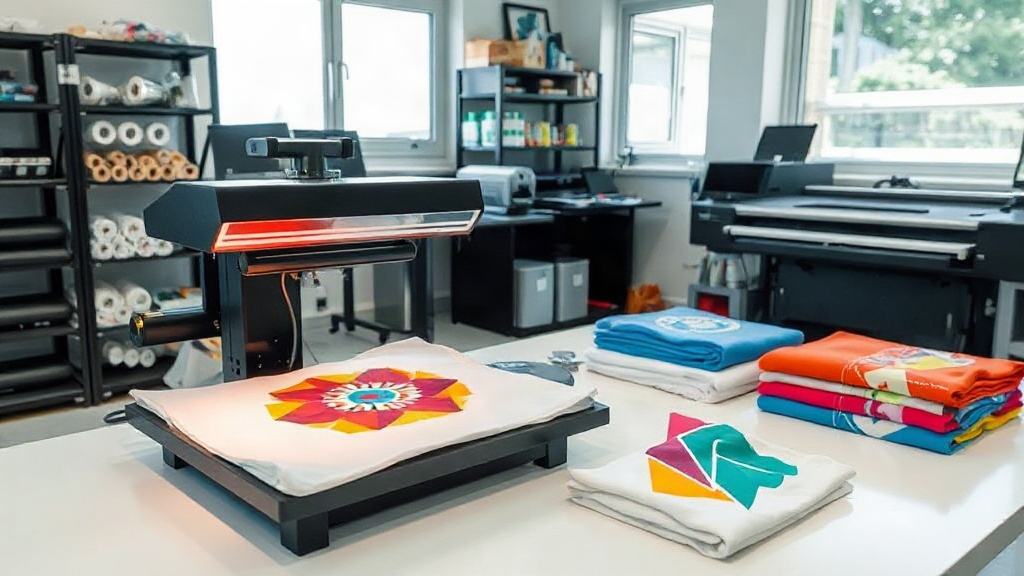
When you're in the middle of a custom apparel project, waiting for transfers can feel like forever. That's why searching for dtf transfers near me is such a common move. Local suppliers mean faster turnaround, the ability to see samples in person, and often better communication. But not all local printing shops are created equal. Whether you're a small business owner, a hobbyist, or someone just starting a print-on-demand side hustle, knowing how to choose the right local partner is crucial. In this guide, we'll explore what DTF printing is, why going local can be a game changer, and exactly what to look for when you search for dtf services in your area.
Understanding DTF Technology
DTF, or Direct to Film, is a printing method that has taken the custom apparel industry by storm. Unlike traditional screen printing or heat transfer vinyl, DTF uses a special printer to apply ink onto a PET film. This film is then coated with adhesive powder, which is melted onto the ink. Once that's done, the transfer can be applied to a wide range of fabrics using a heat press. The process is efficient, cost-effective for small batches, and produces vibrant, durable prints that feel soft to the touch.
Why DTF is Gaining Popularity
The rise of DTF is no accident. For one, it allows for full-color prints with intricate details, gradients, and even photographic elements without the need for expensive setup fees. DTF transfers are also flexible: they work on cotton, polyester, blends, and even materials like nylon and leather. This versatility makes it a favorite among custom apparel creators who want to offer a wide range of products without investing in multiple printing technologies.
Benefits of Finding a Local DTF Supplier
While there are many online DTF services, choosing a local provider has unique advantages that can make your workflow smoother.
- Faster Turnaround: You can often get your transfers in a day or two, especially if you can pick them up directly.
- Quality Control: You can ask for a sample, see the colors in person, and even test the application on your own fabric before committing to a bulk order.
- Personal Support: Face-to-face communication reduces misunderstandings. You can explain your design nuances directly and get expert advice on file setup and application.
- Reduced Shipping Costs: No costly overnight shipping fees, especially if you're in a rush.
- Supporting Local Business: When you shop locally, you're helping your community's economy thrive.
How to Search for DTF Transfers Near Me
When you type "dtf transfers near me" into your search engine, you'll get a list of options, but it's important to know how to evaluate them. Here are some steps to ensure you find a reliable supplier.
Check Online Reviews and Portfolios
Start by looking at independent reviews on Google, Yelp, or social media. A reputable shop will have a portfolio of their work, whether on their website or their social channels. Look for examples of prints that have been applied to garments, not just the film itself. This will give you a sense of color accuracy, detail, and how well the transfer adheres to fabric.
Ask About Their Equipment and Materials
Inquire about the type of printer and inks they use. High-quality DTF printing relies on robust printers and authentic adhesives. Ask if they offer white ink printing, which is essential for dark garments. A good supplier will be open about their equipment and processes.
Request a Sample
Most professional DTF providers will offer sample packs, sometimes for a small fee. This is the best way to assess quality firsthand. Order a sample with a variety of colors and details, apply it to a shirt, and examine the stretch, washability, and feel. If a local shop refuses or hesitates to provide a sample, that's a red flag.
What to Look for in Quality DTF Transfers
Not all DTF transfers are the same. To ensure you're getting value for your money, pay attention to these factors.
Ink and Adhesive Quality
The right combination of ink and adhesive ensures that your transfers won't crack, fade, or peel after a few washes. High-quality dtf prints should be flexible and not feel like a thick plastic sticker. The adhesive should be applied evenly, and the edges should be clean without excess powder.
Color Vibrancy
Vibrant, accurate colors are a hallmark of good DTF printing. The colors should pop, and gradients should be smooth. Ask for a sample printed in your specific design to check color matching, especially if your brand colors are critical.
Durability and Washability
A reliable transfer should withstand at least 50+ washes without significant fading. Ask your supplier about the expected lifespan of their transfers and if they offer any guarantees. You can also test this yourself by washing the sample multiple times.
Using DTF Transfers: Tips for Perfect Application
Once you have your transfers from a local provider, proper application is key to a professional finish.
- Pre-Press Your Garment: Heat press the garment for 3-5 seconds to remove wrinkles and moisture. This creates a smooth base.
- Position the Transfer: Place the film on the garment as you desire. Make sure it's straight and centered.
- Apply Heat and Pressure: Follow your supplier's recommended temperature, pressure, and time. Usually, it's around 320°F (160°C) for 15-20 seconds at medium pressure. Use a Teflon sheet or parchment paper over the film to protect it.
- Peel Hot or Cold: Some DTF films require hot peeling (immediately after pressing), while others work better when cooled. Check with your supplier's instructions.
- Final Press: After peeling, place a Teflon sheet over the design and press again for 5-10 seconds. This helps the adhesive fully bond and increases durability.
Cost Considerations for DTF Transfers
Pricing for dtf transfers can vary significantly based on size, complexity, quantity, and the supplier's overhead. Generally, you can expect to pay anywhere from $1 to $10 per transfer for standard sizes like 8x10 inches. Larger prints or those with heavy ink coverage will cost more. Local shops may offer slight discounts for bulk orders or for businesses that plan to order regularly. It's always a good idea to get quotes from several local suppliers to compare. But don't make price your only deciding factor; quality and reliability are just as important.
Common Applications for DTF Transfers
DTF is incredibly versatile, making it a go-to for many projects. Here are some popular uses:
- Custom t-shirts for events, family reunions, or sports teams
- Branded apparel for businesses, such as polos, hoodies, and caps
- Personalized gifts like tote bags, aprons, and pillowcases
- Small-batch production for online stores, allowing for low minimum orders
- Artistic projects that require high detail and color accuracy
Potential Challenges and How to Overcome Them
Even with a great local supplier, you might encounter some hurdles. Here are common issues and how to address them.
Color Mismatch
If your transfers don't match your brand colors exactly, it could be due to file settings. Ensure your designs are in CMYK or RGB with the correct ICC profile. Communicate clearly with your supplier about your expectations. If you need Pantone color matching, ask if they offer that service.
Adhesion Problems
If the transfer doesn't adhere well, it's often because of incorrect pressure or temperature. Check your heat press calibration and follow the supplier's guidelines. Also, make sure the garment is smooth and free of silicone or other finishes.
White Ink Issues
White ink is crucial for printing on dark fabrics. If your supplier's white ink is slightly transparent, it can affect the vibrancy of your colors. Ask for a test print on a dark shirt to see the opacity.
Building a Long-Term Relationship with a Local DTF Provider
Once you find a reliable local supplier, it's worth nurturing that relationship. Regular orders can lead to better pricing and priority service. Additionally, a good provider can offer advice on design optimization, new product innovations, and even help you troubleshoot application issues. Many small businesses find that partnering with a local printer leads to higher quality and more consistent results, which ultimately builds customer trust.
Comparing Local vs. Online DTF Services
While local suppliers offer many benefits, online services have their own advantages, such as lower prices due to economies of scale or access to specialized capabilities. To make an informed decision, weigh the pros and cons. Consider your timeline, budget, and the nature of your project. For urgent orders or when you need to see a physical sample before committing, local is often the way to go. For large quantities and non-urgent orders, you might save money online, but you'll need to account for shipping time and potential communication delays.
Environmental and Ethical Considerations
DTF printing is generally considered more eco-friendly than some traditional methods because it doesn't require water for washing screens and creates less waste. However, it's important to ask your local supplier about their waste management and ink disposal practices. Some inks are water-based and more sustainable than others. Supporting local businesses that prioritize sustainability can align with your own values and appeal to eco-conscious customers.
Future Trends in DTF Printing
The DTF industry is evolving rapidly. Innovations like better white ink formulas, faster curing processes, and even automated transfer application systems are on the horizon. Staying informed about these trends can help you make better choices for your business. Your local supplier might also be early adopters of new technologies, so don't hesitate to ask about their latest equipment and capabilities.
Frequently Asked Questions
What does DTF stand for?
DTF stands for Direct to Film. It's a printing method that involves printing a design onto a special PET film, which is then coated with adhesive powder and melted. The resulting transfer can be heat-pressed onto a variety of fabrics.
How long do DTF transfers last?
With proper application and care, DTF transfers can last for many washes. High-quality transfers should withstand 50 or more washes without significant fading or cracking. The durability depends on the ink quality, adhesive, and how well the transfer is applied.
Can DTF transfers be used on any fabric?
DTF transfers are versatile and work on cotton, polyester, blends, and even some synthetics like nylon. However, for best results, the fabric should be at least 50% cotton if you want a soft feel. Full synthetics may require special settings and could still work, but the durability might vary.
Do I need a heat press for DTF transfers?
Yes, a heat press is required for DTF application. A heat press provides the necessary temperature and pressure to properly bond the adhesive to the fabric. While some people use a home iron, it's not recommended for consistent results and can lead to peeling.
What is the minimum order quantity for DTF transfers?
Many local DTF providers offer no minimum order quantity, which is one of the great advantages of DTF. You can order just one transfer if you need it. However, some suppliers may have minimums for custom orders or for certain sizes, so it's best to ask.
Conclusion
Finding a reliable source for dtf transfers near me can transform your custom apparel projects from stressful to smooth. By understanding the technology, knowing what to look for in a supplier, and mastering application techniques, you'll be able to produce professional-quality items that impress your customers. Remember to prioritize quality over price, build strong local partnerships, and always test samples before large orders. With the right local DTF provider by your side, you'll never have to compromise on speed or quality again.